




What's Happening?
The Amsterdam Dance Event (ADE) is set to celebrate its 30th anniversary in October 2026 with an extensive five-day program. The event, which began in 1996 with approximately 300 professional delegates and three venues, has grown significantly. The 2026 edition
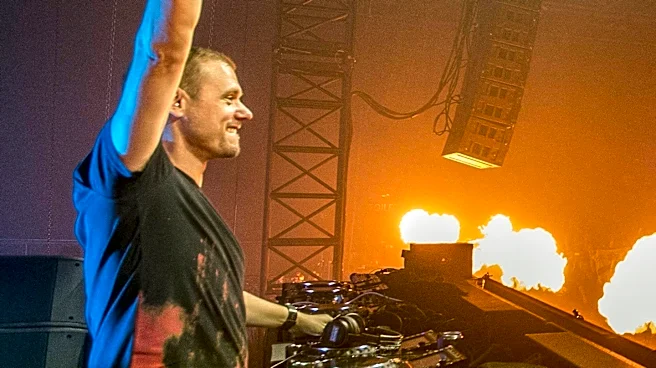
will feature over 3,600 artists, more than 1,300 events, and will take place across 300+ venues throughout Amsterdam. The program encompasses a festival, the ADE Pro Conference, and an Arts & Culture program. Notable artists recently added to the lineup include Armand Van Helden, Boys Noize, Hannah Laing, Jamie Jones, Martin Garrix, Mau P, Pete Tong, and many others spanning house, techno, trance, garage, and experimental electronic music. The ADE Pro Conference will host artist conversations, industry sessions, and discussions on the future of nightlife, with participants like Armin van Buuren, Jean-Michel Jarre, and representatives from major music and technology companies such as Spotify, SoundCloud, and Warner Music. Additionally, the anniversary will introduce the '30 YEARS ADE Icon Series,' featuring 30 events that reflect on electronic music's history and future, including an installation by Boris Acket with the Royal Concertgebouw Orchestra and a 'Swan Lake Remixed' performance by the Dutch National Ballet and ISH Dance Collective.
Why It's Important?
The continued growth and global reach of events like ADE underscore the significant cultural and economic impact of electronic dance music (EDM) on an international scale, including its influence on the U.S. music scene. As a major gathering for artists, industry leaders, and fans, ADE serves as a barometer for trends in electronic music, technology, and nightlife. The participation of major U.S. and international music and technology companies in the ADE Pro Conference highlights the interconnectedness of the global music industry and the importance of innovation in distribution, artist development, and fan engagement. The discussions on the future of nightlife and the 'Nighttime Culture Index' could influence urban planning, cultural policy, and economic development strategies in cities worldwide, potentially impacting how U.S. cities approach their own nightlife economies. Furthermore, the extensive artist lineup and diverse programming, including collaborations with classical and contemporary arts, demonstrate the genre's evolving artistic depth and its ability to attract a broad audience, which can inspire similar cross-genre initiatives and festival models in the U.S.
What's Next?
As ADE approaches, further announcements regarding artists, events, and anniversary projects are expected. The insights and trends emerging from the ADE Pro Conference, particularly those concerning technology, artist development, and the future of nightlife, will likely be disseminated and discussed within the global music industry, potentially influencing strategies for U.S. music festivals, venues, and tech companies. The '30 YEARS ADE Icon Series' and its focus on both the history and future of electronic music could set a precedent for how other long-standing music events commemorate their milestones, potentially inspiring similar retrospective and forward-looking programming in the U.S. The 'Nighttime Culture Index' could lead to new research and policy discussions on the cultural and economic value of nightlife in various cities, including those in the U.S., prompting local governments and industry stakeholders to re-evaluate their support for such sectors. The success of ADE's expanded program will also serve as a benchmark for the resilience and adaptability of large-scale music events in a dynamic global environment.
Beyond the Headlines
The 30th anniversary of ADE transcends a mere celebration of electronic music; it signifies the genre's journey from a niche subculture to a globally recognized and economically powerful cultural phenomenon. The integration of electronic music with classical and contemporary arts, as seen in collaborations with the Royal Concertgebouw Orchestra and the Dutch National Ballet, challenges traditional artistic boundaries and elevates the genre's cultural standing. This cross-pollination could inspire a broader acceptance and integration of electronic music into mainstream cultural institutions in the U.S., fostering new artistic expressions and audiences. The focus on the future of nightlife and the industry's engagement with technology companies also points to deeper shifts in how music is consumed, created, and monetized. Ethical considerations around artist compensation, data privacy, and the environmental impact of large-scale events are likely to be ongoing discussions, shaping the long-term sustainability and social responsibility of the electronic music industry globally, including in the U.S. The event's evolution reflects a broader societal trend towards experiential culture and the increasing importance of community and shared experiences in a digital age.