



What's Happening?
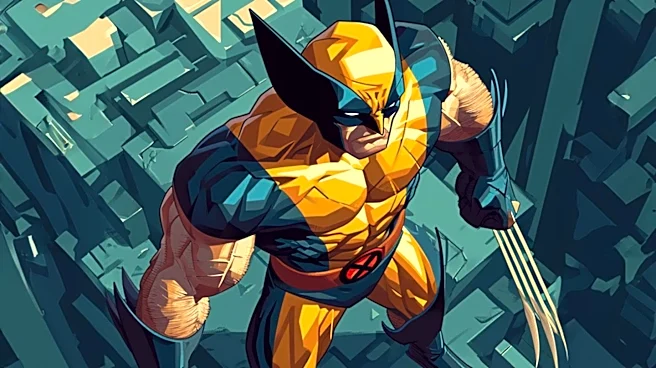
The current Wolverine comic series, 'Wolverine (Vol. 8),' which premiered in 2024 as part of the X-Men’s 'From the Ashes' relaunch, is facing criticism for its perceived lack of direction and heavy reliance on nostalgia. Written by Saladin Ahmed, an Eisner
Award-winning writer, the series has pitted Wolverine against new threats like the Adamantine and classic villains such as Cyber, Lady Deathstrike, Donald Pierce, Romulus, and Sabretooth. Despite Ahmed's stated admiration for Wolverine and his ability to capture the character's voice, the overarching narrative is described as aimless. The series initially introduced the Adamantine, a sentient magical metal seeking to destroy all adamantium, presenting a clear direction. However, Ahmed reportedly shifted to a style reminiscent of Larry Hama's long-running Wolverine stories from the 1980s and 90s, which involved numerous sub-plots rather than a single, cohesive arc. This approach, while attempting to evoke a classic feel, has resulted in a fragmented storyline where the main plot often feels secondary and unresolved.
Why It's Important?
This situation is important for the comic book industry and Marvel Comics specifically, as Wolverine is one of their most popular and recognizable characters. A decline in the quality or direction of a flagship title can impact sales and fan engagement, potentially affecting the broader market for comic books. The criticism highlights a tension between honoring a character's history through nostalgia and developing fresh, compelling narratives that appeal to both long-time fans and new readers. The sales performance of 'Wolverine (Vol. 8)' has reportedly plummeted from a top-selling position to often outside the top 50, indicating that the current creative direction is not resonating with a significant portion of the readership. This trend could signal to publishers the risks of relying too heavily on past glories without a strong, forward-looking narrative, potentially influencing future editorial decisions regarding other popular characters and series. It also underscores the evolving expectations of modern comic readers, who often prefer story arcs designed for collected editions rather than episodic, less connected narratives.
What's Next?
The immediate future for 'Wolverine (Vol. 8)' likely involves continued scrutiny from fans and critics regarding its narrative direction. If sales continue to decline, Marvel Comics may need to re-evaluate the creative team or editorial strategy for the series. The current trajectory suggests that without a significant shift in storytelling approach, the title could struggle to regain its previous popularity. Potential next steps could include a new creative team taking over, a clearer mandate for a cohesive long-term plot, or a soft reboot to re-establish a defined direction for the character. The ongoing fan discussions and sales figures will likely serve as key indicators for Marvel's future decisions regarding one of its most iconic heroes. The industry will be watching to see if Marvel addresses the perceived aimlessness to revitalize the series and re-engage its audience.
Beyond the Headlines
The challenges faced by 'Wolverine (Vol. 8)' reflect a broader industry-wide debate about the role of nostalgia in modern storytelling, particularly within long-running franchises. While nostalgia can be a powerful tool for engaging established fan bases, its overuse without innovation can lead to stagnation and alienate newer audiences who lack the historical context. This situation raises questions about how comic book publishers can balance celebrating a character's legacy with the need for fresh narratives that push boundaries and attract new readers. Ethically, it touches upon the responsibility of creators to deliver compelling stories that justify the ongoing investment of readers, rather than simply rehashing past successes. The commercial performance of such titles can also influence creative freedom, potentially leading to more conservative storytelling choices if riskier, innovative approaches fail to deliver sales. This dynamic highlights the complex interplay between artistic vision, commercial viability, and fan expectations in the comic book world.