





What's Happening?
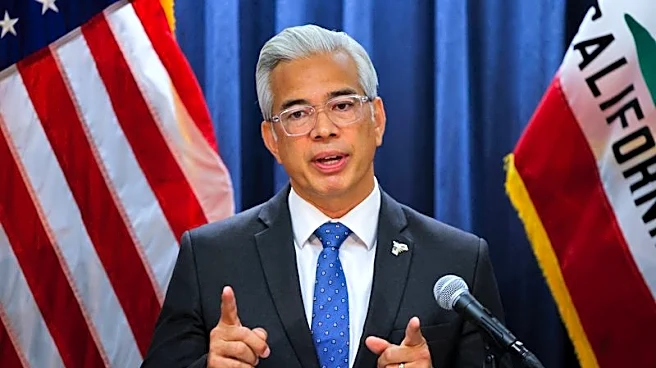
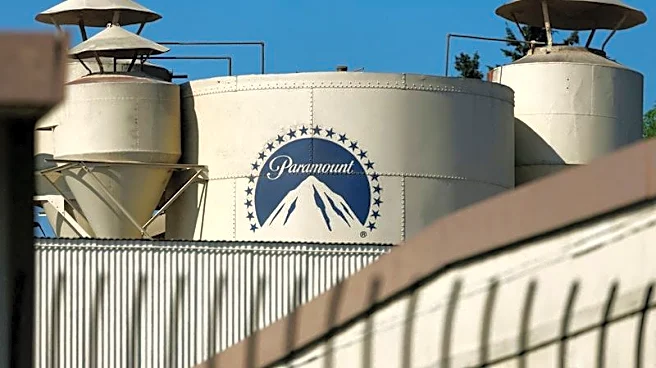
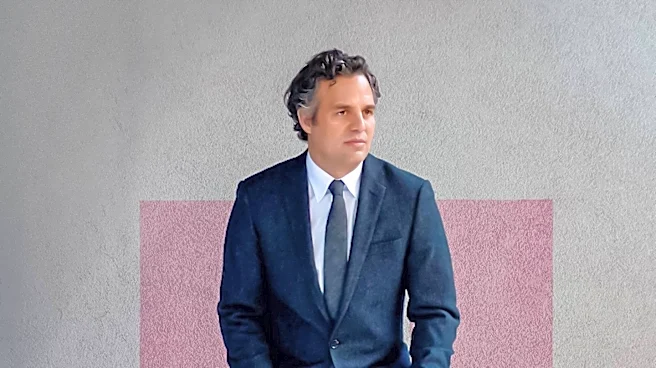
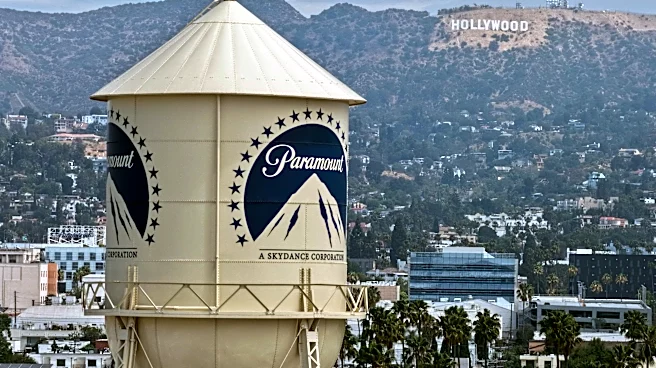
Actor Mark Ruffalo has publicly called on California Attorney General Rob Bonta to continue fighting against the proposed merger between Paramount-Skydance and Warner Bros. Discovery. Ruffalo, known for his role as the Hulk, expressed his strong opposition
to the deal on social media, specifically on X, advising Bonta, 'Do not cave.' He highlighted that over 5,670 filmmakers and more than 75,000 individuals have signed petitions urging the Attorney General to reject the merger. Ruffalo emphasized that Bonta works for the people, who he believes will be negatively impacted if the deal proceeds. This intervention comes as reports indicate that Paramount-Skydance and Bonta have entered serious discussions regarding a potential settlement, which could include an agreement for Paramount to operate the two companies' movie studios separately for a period, rather than immediately combining them. Ruffalo has a history of speaking out against corporate mergers and contract disputes in Hollywood, having previously challenged the Netflix vs. Paramount bidding war and the Marvel vs. Universal Pictures Hulk distribution deal.
Why It's Important?
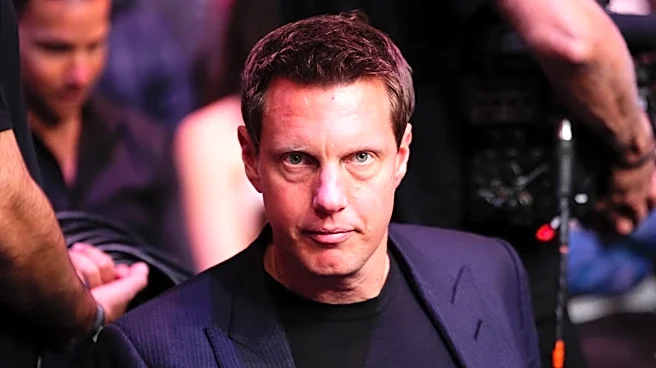
Mark Ruffalo's public stance against the Paramount-Skydance and Warner Bros. Discovery merger underscores significant concerns within the entertainment industry regarding consolidation and its potential impact on competition, creative freedom, and employment. The actor's appeal to Attorney General Rob Bonta highlights the perceived role of state legal authorities in safeguarding public interest against large corporate deals. If the merger proceeds, it would bring major media entities like HBO Max, Paramount+, HBO, CBS, CNN, and thousands of movie titles under a single company, led by David Ellison. Critics argue that such consolidation could lead to reduced diversity in content, fewer opportunities for independent filmmakers, and potentially higher costs for consumers. Conversely, proponents of the merger might argue that it creates a more robust entity capable of competing in a rapidly evolving media landscape, potentially leading to efficiencies and new content offerings. The involvement of a high-profile figure like Ruffalo amplifies the debate, drawing broader public attention to the economic and cultural implications of media industry consolidation.
What's Next?
The immediate next step involves the ongoing discussions between California Attorney General Rob Bonta and Paramount-Skydance regarding a potential settlement for the merger with Warner Bros. Discovery. While reports suggest serious talks, there is no guarantee of an agreement. If a settlement is reached, it could include conditions such as Paramount operating the two companies' movie studios separately for a specified period. However, even with a settlement, the merger's completion would still face scrutiny and potential opposition from various stakeholders, including the thousands of filmmakers and individuals who have signed petitions against it. The public pressure exerted by figures like Mark Ruffalo could influence the terms of any settlement or even lead to continued legal challenges. The outcome of these negotiations will determine the future landscape of a significant portion of the U.S. entertainment industry, impacting content production, distribution, and employment.
Beyond the Headlines
The controversy surrounding the Paramount-Skydance and Warner Bros. Discovery merger, amplified by Mark Ruffalo's intervention, touches upon deeper issues concerning corporate power, antitrust enforcement, and the future of creative industries in the U.S. The debate highlights the tension between economic efficiency sought by large corporations and the desire for diverse, independent content creation. The involvement of a prominent actor like Ruffalo also illustrates the growing trend of public figures using their platforms to influence policy and corporate decisions, particularly in areas affecting their professional communities. This situation could set a precedent for how future large-scale mergers in the entertainment sector are scrutinized and potentially challenged, not just by regulatory bodies but also by public and industry advocacy. It also raises questions about the role of state attorneys general in regulating national corporate activities and protecting local industry interests, such as employment and production opportunities.