


What's Happening?
Alexa Coughlin, founder of the fashion brand Rat Boi, discussed the origins of her brand's name and its commitment to sustainable manufacturing. The name 'Rat Boy' originated as a nickname for her late dog, Domi, a pit bull, and evokes a sense of '90s
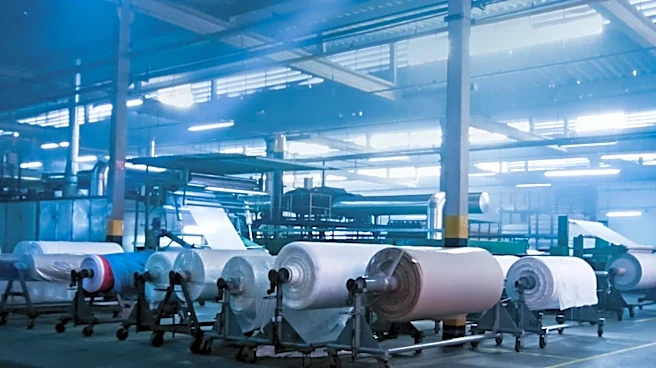
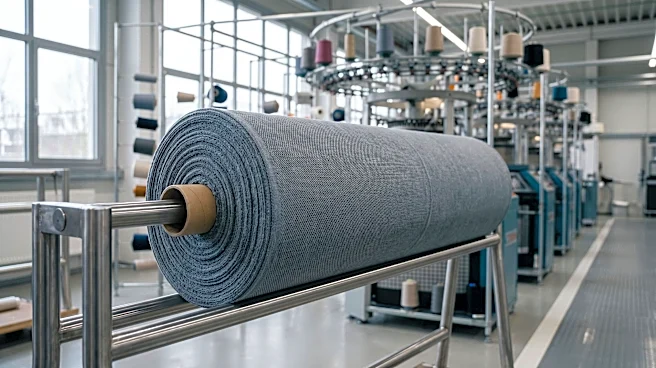
nostalgia. Coughlin, a '90s baby, also incorporates surf and skate culture, influenced by her upbringing in Hawaii, into her designs. The brand began with Coughlin making everything herself in her garage and on her kitchen floor. As demand grew, Rat Boi transitioned to working with a local, family-run factory in Los Angeles, which has been in operation for three generations. They also collaborate with overseas manufacturers for specialized fabrications, ensuring these partners share their values regarding worker care and quality.
Why It's Important?
Rat Boi's approach to fashion highlights a growing consumer demand for transparency and ethical practices within the industry. By emphasizing small-batch production and working with local, family-run manufacturers, the brand offers an alternative to fast fashion, which is often criticized for its environmental and social impact. This commitment to sustainability and responsible manufacturing resonates with a segment of consumers who prioritize conscious consumption. The brand's success demonstrates that businesses can thrive by aligning with values beyond just profit, potentially influencing other emerging designers to adopt similar models and contributing to a broader shift towards more ethical fashion practices in the U.S. market.
Beyond the Headlines
The narrative of Rat Boi, from its personal origin story rooted in a beloved pet to its '90s aesthetic and commitment to ethical production, taps into deeper cultural currents. The '90s nostalgia reflects a cyclical nature of fashion and a longing for perceived simpler times, while the 'punk' sensibility mentioned in the interview suggests a rejection of mainstream, mass-produced trends. This blend of personal storytelling, retro appeal, and ethical manufacturing creates a strong brand identity that goes beyond mere clothing. It speaks to a desire for authenticity and connection in consumer choices, where the story behind a product is as important as the product itself, fostering a more meaningful relationship between brands and their customers.