









What's Happening?
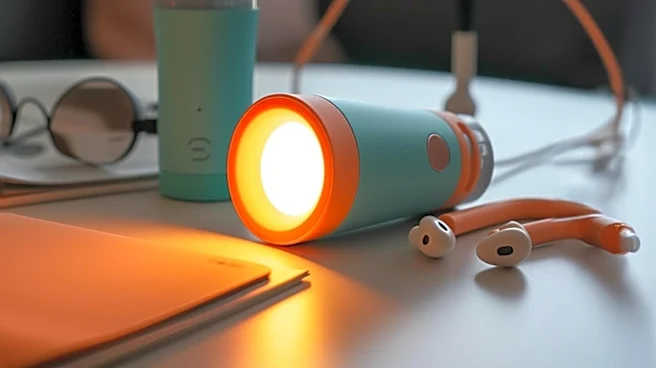
OpenAI is reportedly developing a smart speaker that integrates its ChatGPT technology, as part of a broader hardware initiative. According to Bloomberg, the device will feature a camera and sensors to understand its environment, allowing it to interact
with users on a humanlike level. The smart speaker, which is expected to launch in 2027, will include a rechargeable battery for portability and offer functionalities such as smart home controls, media playback, and message responses. This development follows OpenAI's collaboration with former Apple designer Jony Ive, after acquiring his design company, io Products, for nearly $6.5 billion. The device will utilize OpenAI's upgraded voice model, GPT-Live, and is part of a lineup that includes approximately five devices. OpenAI has not yet commented on these reports.
Why It's Important?
The introduction of a ChatGPT-enabled smart speaker by OpenAI signifies a significant step in the integration of AI into consumer electronics, potentially transforming how users interact with technology in their daily lives. This move could position OpenAI as a major player in the smart home market, challenging established companies like Amazon and Google. The device's ability to interact on a humanlike level may enhance user experience and accessibility, making AI more intuitive and engaging. However, it also raises concerns about privacy and data security, as the device's camera and sensors will collect environmental data. The collaboration with Jony Ive suggests a focus on design and user interface, which could set new standards in the industry.
What's Next?
As OpenAI prepares for the 2027 launch, the company is likely to focus on refining the device's capabilities and addressing potential privacy concerns. The success of this smart speaker could influence future AI hardware developments and encourage other tech companies to innovate in similar ways. Stakeholders, including consumers, privacy advocates, and competitors, will be closely monitoring OpenAI's progress and the market's response to this new technology. Additionally, regulatory bodies may scrutinize the device's data collection practices to ensure compliance with privacy laws.