
What's Happening?
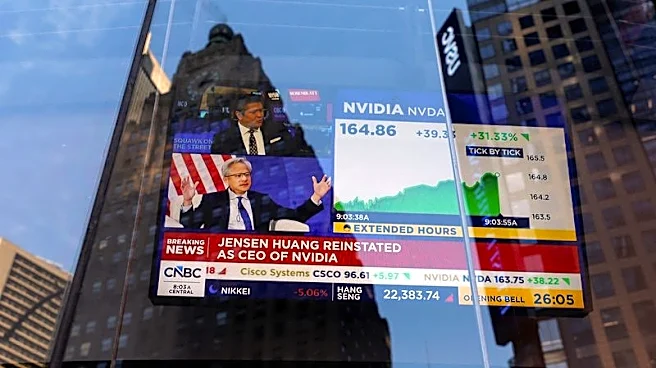
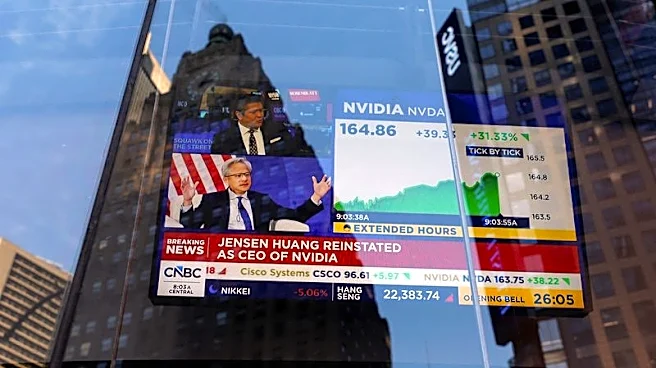
Jensen Huang has been reinstated as the CEO of Nvidia, just 11 days after his resignation on November 12, 2026. The Nvidia board unanimously approved his reincorporation on November 23, 2026, reversing
an initial decision to not bring him back. Huang's resignation was reportedly due to allegations of extramarital affairs with a woman suspected of having ties to Chinese intelligence services. Following his departure, CFO Colette Kress temporarily assumed leadership. The board reconsidered its decision after meetings with Huang and receiving information from U.S. government officials. The company stated that directors were satisfied with Huang's transparency and concluded that his return posed no national security risk. Huang co-founded Nvidia in 1993 with Chris Malachowsky and Curtis Priem. His return is part of a pattern of CEOs who have left and later returned to lead major companies, including Steve Jobs at Apple, Sam Altman at OpenAI, Howard Schultz at Starbucks, and Bob Iger at Disney.
Why It's Important?
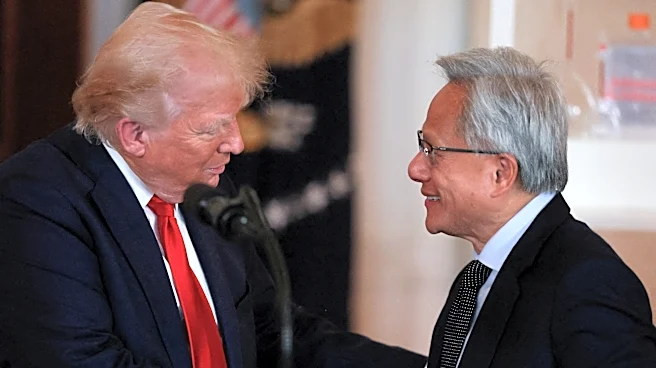
Jensen Huang's swift return to Nvidia's helm is significant for several reasons. First, it underscores the critical role of key leadership in major technology companies, especially those at the forefront of artificial intelligence and chip manufacturing like Nvidia. His brief absence and subsequent reinstatement highlight the potential instability that can arise from leadership changes, particularly when national security concerns are involved. The involvement of U.S. government officials in the board's decision-making process indicates the strategic importance of Nvidia's technology and leadership to national interests, especially concerning potential foreign influence or espionage. For investors and the market, Huang's return likely provides stability and continuity, as he is a co-founder and long-standing leader. The incident also brings to light the increasing scrutiny on the personal lives of corporate leaders, particularly when those lives intersect with geopolitical sensitivities.
What's Next?
With Jensen Huang back as CEO, Nvidia is expected to continue its strategic direction in the semiconductor and AI industries without significant disruption. The company will likely focus on reassuring stakeholders about leadership stability and addressing any lingering concerns related to the circumstances of Huang's brief departure. The incident may prompt increased internal scrutiny regarding executive conduct and potential national security risks within major tech firms. For the broader tech industry, this event could serve as a precedent for how boards and governments handle similar situations involving high-profile executives and sensitive geopolitical connections. Nvidia's ongoing projects and market position in AI and graphics processing units will remain a key focus, with Huang's leadership expected to drive future innovation and market strategy.
Beyond the Headlines
Jensen Huang's return to Nvidia delves into the complex interplay between corporate governance, national security, and personal conduct in the modern era. The allegations of ties to foreign intelligence services underscore the heightened geopolitical tensions and the vulnerability of critical technology companies to external influence. This situation highlights the evolving definition of 'national security risk' to include not just corporate espionage but also the personal relationships of key executives. The board's initial reluctance to reinstate Huang, followed by a reversal after government consultation, suggests a delicate balance between corporate autonomy and state interests. This event could set a precedent for how U.S. authorities engage with private companies regarding executive appointments, particularly in sectors deemed vital for national security. It also raises ethical questions about privacy versus transparency for leaders of publicly traded companies, especially when their personal lives could have broader implications.