






What's Happening?
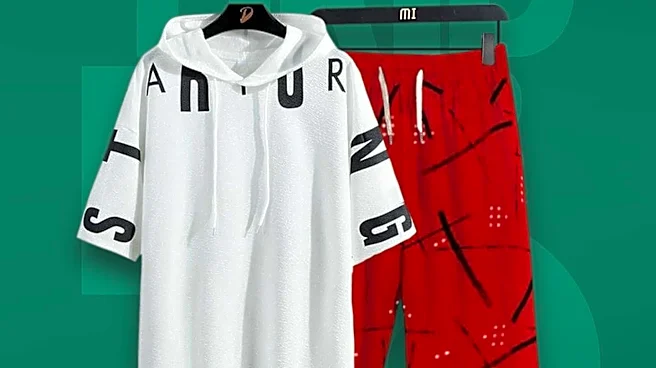
ThreadBeast provides a monthly men's clothing subscription box service, delivering 2 to 11 streetwear and casual pieces for a monthly fee ranging from $60 to $290. Subscribers keep all items received. The service operates based on a style quiz, where
customers provide information about their size, fit, and taste. A stylist then curates a package, and subscribers can preview and swap items before shipment. Shipping is free within the U.S. While the service boasts a 4.1 TrustScore on Trustpilot, with many positive reviews highlighting convenience and variety, common complaints revolve around 'style drift,' sizing inconsistencies, ineffective feedback mechanisms, and difficult cancellation processes. ThreadBeast's terms explicitly state a no-returns policy, with limited exchanges available under specific conditions and a strict 7-day cancellation window after delivery.
Why It's Important?
ThreadBeast's model represents a segment of the U.S. e-commerce market focused on convenience and curated fashion, particularly for streetwear enthusiasts. For consumers who dislike shopping or want a low-effort way to refresh their casual wardrobe, this service offers a direct solution. However, the no-returns policy and strict cancellation terms highlight a significant consumer protection issue, as customers may be stuck with items that don't fit or don't match their style, leading to dissatisfaction and potential waste. This business model contrasts with rental subscriptions like Taelor, which prioritize access and returns, suggesting a divergence in how companies approach customer satisfaction and sustainability in the apparel subscription space. The complaints regarding feedback and sizing also underscore the challenges of personalizing fashion at scale without robust return options.
What's Next?
ThreadBeast will likely face continued scrutiny regarding its customer service policies, particularly its no-returns and strict cancellation terms, which could impact its long-term reputation and subscriber growth. To address common complaints, the company might need to improve its style profiling accuracy, enhance the effectiveness of customer feedback integration, or consider more flexible exchange options. The competitive landscape of men's clothing subscriptions, including services that offer returns or rental models, could pressure ThreadBeast to adapt its offerings to better meet evolving consumer expectations for flexibility and value. The company's ability to retain subscribers will depend on its capacity to consistently deliver desirable items that align with individual preferences, despite the lack of a return option.
Beyond the Headlines
The ThreadBeast model raises questions about consumer rights and expectations in the subscription economy. The 'keep everything' approach, while convenient for some, can contribute to overconsumption and textile waste if items are frequently unwanted or ill-fitting. The challenges faced by subscribers in canceling or exchanging items highlight the importance of transparent terms and conditions, as well as responsive customer support in subscription services. This situation also reflects a broader tension between the desire for convenience and the need for sustainable consumption practices. The contrast with rental models suggests a potential future where consumers increasingly differentiate between services that promote ownership versus those that prioritize access and circularity, influencing purchasing decisions based on ethical and environmental considerations.