





What's Happening?
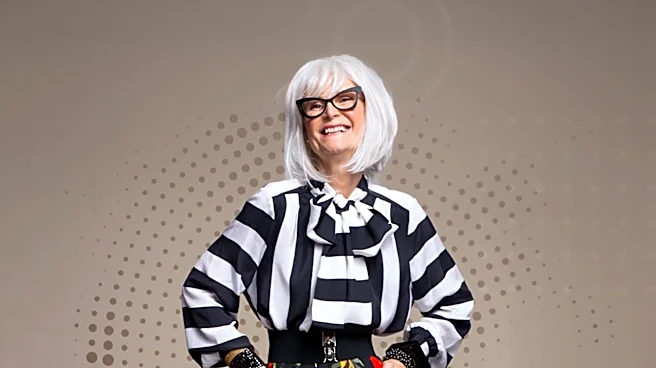
The fashion industry is witnessing a significant shift as older women are increasingly featured in major fashion shows and campaigns. Notable appearances include 57-year-old actor Gillian Anderson closing Miu Miu’s fall-winter 2026 show, and 50-year-old
model Stéphanie Cavalli opening Chanel’s haute couture show. This trend marks a departure from the industry's traditional focus on youth, as designers like Matthieu Blazy of Chanel aim to present fashion that resonates with real women. Despite the lack of size diversity, the inclusion of older models is seen as breaking the 'age taboo' in couture. This change is driven by the recognition of older women as a powerful consumer force and a shift in cultural attitudes towards aging.
Why It's Important?
The inclusion of older women in fashion reflects broader societal changes and has significant implications for the industry. Older women represent a substantial economic force, prompting luxury brands to cater to this demographic. This shift also challenges the longstanding beauty ideals centered around youth, promoting a more inclusive representation. However, the change is not without criticism, as the featured older models often still conform to narrow beauty standards. The move towards embracing age in fashion aligns with a cultural trend of valuing authenticity and experience, potentially influencing other industries to follow suit.
What's Next?
As the fashion industry continues to embrace older models, it may lead to more diverse representations in media and advertising. Brands might expand their focus to include a wider range of body types and backgrounds, further challenging traditional beauty norms. The success of this trend could encourage other sectors to reconsider their marketing strategies and target demographics. Additionally, the ongoing dialogue about age and beauty may inspire more inclusive practices across various cultural and commercial platforms.
Beyond the Headlines
The shift towards featuring older women in fashion highlights deeper cultural changes regarding aging and beauty. It suggests a growing acceptance of aging as a natural and valuable part of life, rather than something to be hidden. This trend could influence societal attitudes, encouraging people to embrace their age and experience. Furthermore, it raises questions about the sustainability of fashion's focus on youth and the potential for more meaningful connections with consumers through authenticity and relatability.