







What's Happening?
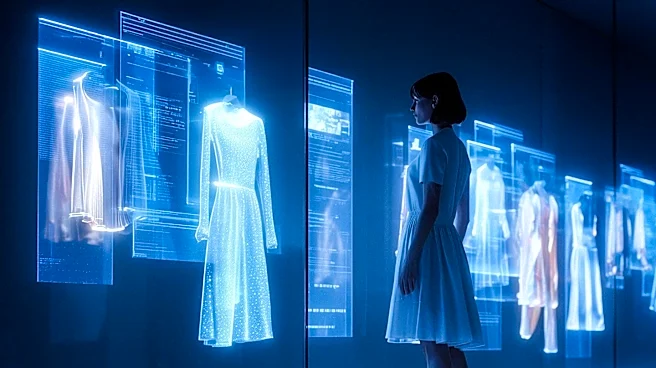
Vestis, an AI-powered mobile application, is designed to transform personal wardrobe management and outfit planning. The app allows users to digitize their clothing by uploading and organizing items, creating a comprehensive digital wardrobe. Vestis then
leverages artificial intelligence to generate outfit suggestions tailored to the user's existing clothes, personal style, current weather conditions, and specific occasions such as work, gym, or a night out. This functionality aims to simplify the daily decision-making process of choosing what to wear. The application also offers personalized style recommendations, enabling users to discover new ways to combine their existing garments. Users can save their favorite outfits, plan attire in advance, and track their clothing usage, helping them maximize the utility of their wardrobe. The core idea behind Vestis is to help individuals utilize more of their clothing collection, reducing decision fatigue and enhancing personal style efficiently.
Why It's Important?
The emergence of AI-powered digital wardrobe applications like Vestis signifies a notable shift in how consumers approach personal fashion and consumption. For individuals, such tools offer a practical solution to common daily dilemmas, saving time and reducing the mental effort associated with outfit selection. This can lead to increased satisfaction with one's wardrobe and potentially curb impulse purchases by highlighting the versatility of existing items. From an economic perspective, these apps could influence consumer spending habits in the fashion industry, potentially shifting focus from acquiring new clothes to maximizing the use of current possessions. For technology developers, it underscores the growing market for AI-driven personal assistance tools that integrate into daily life. The broader impact could also extend to sustainability, as encouraging more thoughtful use of clothing might contribute to reducing textile waste and promoting a more circular fashion economy. This innovation caters to busy professionals, students, and fashion-conscious individuals seeking efficiency and personalized guidance in their style choices.
What's Next?
The future trajectory for digital wardrobe applications like Vestis likely involves continuous enhancement of AI algorithms to provide even more sophisticated and personalized styling advice. This could include integrating with e-commerce platforms for seamless purchasing of complementary items, or incorporating augmented reality features for virtual try-ons. As user bases grow, these apps may also develop community features, allowing users to share styles and receive feedback. The competitive landscape will likely see more players entering this niche, pushing for innovations in user experience, AI accuracy, and integration with other lifestyle applications. Furthermore, partnerships with fashion brands and retailers could emerge, offering curated collections or exclusive styling tips based on user data. The success of these platforms will depend on their ability to accurately understand individual style preferences, adapt to evolving fashion trends, and maintain user engagement through intuitive and valuable features.
Beyond the Headlines
Beyond the immediate utility of simplifying outfit choices, digital wardrobe apps like Vestis touch upon deeper societal and psychological implications. They represent a growing trend of outsourcing personal decision-making to AI, raising questions about the balance between convenience and personal agency in style development. While these tools offer efficiency, they might also subtly influence individual expression by guiding users towards certain aesthetic norms or combinations. Ethically, the collection and analysis of personal style data could raise privacy concerns, particularly regarding how this information is used and shared. Culturally, such apps could contribute to a more uniform sense of style if recommendations become too prescriptive, or conversely, they could empower individuals to experiment more confidently. In the long term, these technologies could reshape our relationship with material possessions, fostering a more mindful approach to consumption and potentially altering the perceived value of clothing from disposable items to long-term assets managed by AI.