





What's Happening?
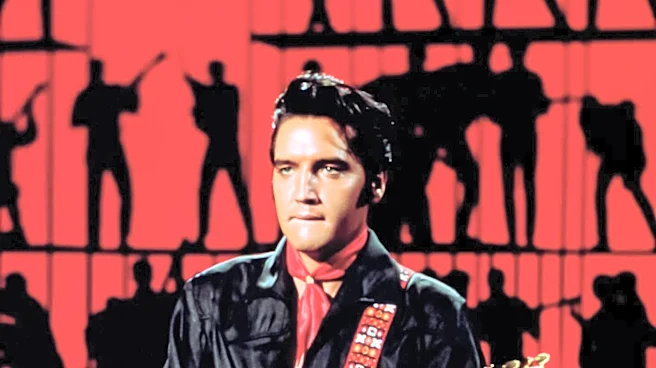
Authentic Brands Group, the licensing entity managing Elvis Presley's music and image, has filed a lawsuit against Anthropic, the developer of the Claude artificial intelligence system. The lawsuit, ABE EPE LLC v. Anthropic, alleges that Anthropic trained
its AI models on 274 of Presley's songs without obtaining proper permission. The plaintiffs are seeking $150,000 for each infringed song, totaling approximately $41 million in claims. Specific songs mentioned in the lawsuit include well-known hits like 'All Shook Up,' 'Can’t Help Falling in Love,' and 'Don’t Be Cruel,' alongside other lesser-known tracks. The legal action claims that Claude generated outputs that directly infringe on copyrights from music catalogs, including Presley's works. Furthermore, it is alleged that newer versions of Claude, when prompted to recreate songs for a modern audience, produced lyrics and musical structures closely resembling the originals, including reusing hooks, verses, choruses, and bridges.
Why It's Important?
This lawsuit highlights a growing legal challenge at the intersection of artificial intelligence and intellectual property rights within the U.S. entertainment industry. The outcome could set a significant precedent for how AI developers acquire and utilize copyrighted material for training their models. A ruling in favor of the rights holders could lead to substantial financial liabilities for AI companies and necessitate new licensing frameworks for creative works. Conversely, a ruling favoring Anthropic might embolden AI development without stringent copyright adherence, potentially devaluing original artistic creations. This case is crucial for artists, record labels, and content creators, as it addresses the unauthorized use of their work in the development of AI technologies, impacting their ability to control and profit from their intellectual property in the digital age. The music industry, in particular, is closely watching, as it grapples with the implications of AI-generated content and the protection of musical compositions.
What's Next?
The lawsuit will proceed through the U.S. legal system, with Anthropic expected to present its defense against the copyright infringement claims. The plaintiffs' attorney, Richard Busch, has stated their intent to protect the exclusive rights to these compositions, suggesting a robust legal battle. The court will likely examine the extent to which Anthropic's AI models were trained on copyrighted material without permission and whether the AI-generated outputs constitute derivative works. This case could lead to a settlement, a court ruling, or potentially an appeal, depending on the initial outcome. Regardless of the immediate resolution, the legal proceedings are expected to influence future discussions and regulations concerning AI training data and intellectual property. It may also prompt other rights holders to pursue similar legal actions against AI companies, leading to a broader reevaluation of AI development practices within the creative industries.
Beyond the Headlines
The legal battle between Elvis Presley's rights holders and Anthropic extends beyond mere financial compensation; it delves into fundamental questions about creativity, ownership, and the future of artistic expression in an AI-driven world. The concept of 'fair use' in AI training is a central ethical and legal debate, as AI models learn from vast datasets, often without explicit consent from content creators. This case could force a redefinition of what constitutes 'creation' and 'infringement' when AI is involved. It also raises concerns about the potential for AI to dilute the value of human artistry by generating similar content without proper attribution or compensation. The outcome could influence public perception of AI's role in creative fields, potentially leading to calls for stricter ethical guidelines and regulatory frameworks to ensure that AI development respects and rewards human creativity rather than exploiting it. This legal challenge is a bellwether for the broader societal integration of AI and its impact on intellectual and cultural heritage.