







What's Happening?
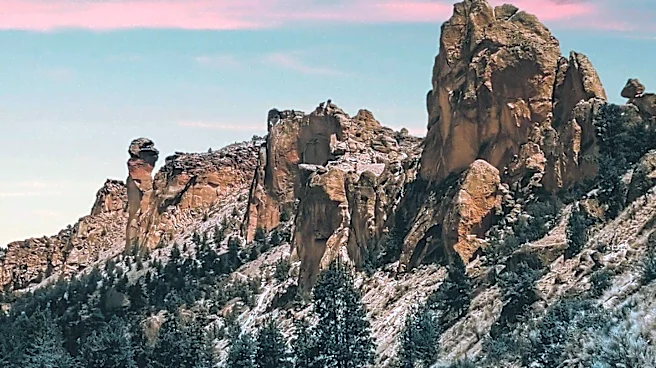
Smith Rock State Park in central Oregon is widely acknowledged as the genesis of modern sport climbing, significantly shaping the sport's history. Climbing historian Jeff Thomas, who has been climbing at Smith Rock since the 1970s, has authored two influential
guidebooks on Oregon climbing. The park attracts nearly a million visitors annually, drawn by its volcanic towers, the Crooked River, and views of the Cascade Mountains. Thomas highlights that events at Smith Rock have often mirrored, and sometimes led, developments in modern rock climbing. The park's influential history includes the introduction of sport climbing to North America by Alan Watts in the late 1970s and early 1980s, a style that was initially controversial among traditional climbers. This new approach, involving rappelling from the top to drill protection and rehearse moves before leading the climb, contrasted sharply with the traditional bottom-up method. The park's unique rock formations and the challenging routes developed by Watts attracted elite climbers globally, solidifying its reputation.
Why It's Important?
The recognition of Smith Rock State Park as the birthplace of modern sport climbing underscores its profound impact on the sport's evolution and culture in the United States and globally. This historical significance attracts climbers and outdoor enthusiasts, contributing to Oregon's tourism and recreation economy. The shift from traditional climbing to sport climbing, pioneered at Smith Rock, democratized the sport by making more challenging routes accessible and safer, albeit controversially at first. This evolution has led to the widespread adoption of sport climbing techniques and the growth of indoor climbing gyms, which now serve as entry points for new climbers, including children. The park's history reflects broader trends in outdoor recreation, where innovation and accessibility can lead to both growth and debate within established communities. The increased popularity also brings challenges, such as overcrowding and the need for stricter regulations on route development, impacting the natural environment and the climbing experience.
What's Next?
The continued popularity of Smith Rock State Park will likely necessitate ongoing management efforts to balance conservation with recreational access. As climbing continues to grow, driven by indoor gyms and increased exposure, the park may face further challenges related to visitor numbers, parking, and the maintenance of climbing routes. Discussions around bolting regulations, which already require applications for new bolts, are expected to continue as climbers seek to maintain safety standards while preserving the traditional ethos of outdoor climbing. The park's role as a historical site for sport climbing will likely be emphasized in educational initiatives, potentially drawing more interest from climbing historians and enthusiasts. Furthermore, the influence of indoor climbing gyms on outdoor practices, such as the expectation of highly protected routes, will continue to shape how climbers interact with natural environments like Smith Rock.
Beyond the Headlines
The story of Smith Rock State Park delves into the deeper cultural and ethical shifts within the climbing community. The initial controversy between 'traditionalists' and 'tricksters' highlights a recurring tension in many sports and activities when new methods challenge established norms. This mirrors broader societal debates about progress versus tradition and the acceptance of change. The transition from a niche activity to one with widespread appeal, partly due to the accessibility offered by sport climbing and indoor gyms, raises questions about commercialization, environmental impact, and the preservation of wilderness experiences. The personal account of Jeff Thomas, who initially resisted the new style but later accepted its validity, illustrates the evolving perspectives within the community. The park's history also serves as a microcosm for how human interaction with natural landscapes changes over time, from being an obscure local spot to a globally recognized destination, necessitating adaptive management and a continuous re-evaluation of values.