





What's Happening?
New European Union rules, effective September 27, 2026, aim to combat greenwashing in the hospitality sector by requiring hotels, B&Bs, and other accommodations to substantiate their environmental claims. Generic terms like 'eco-friendly' or 'green hotel'
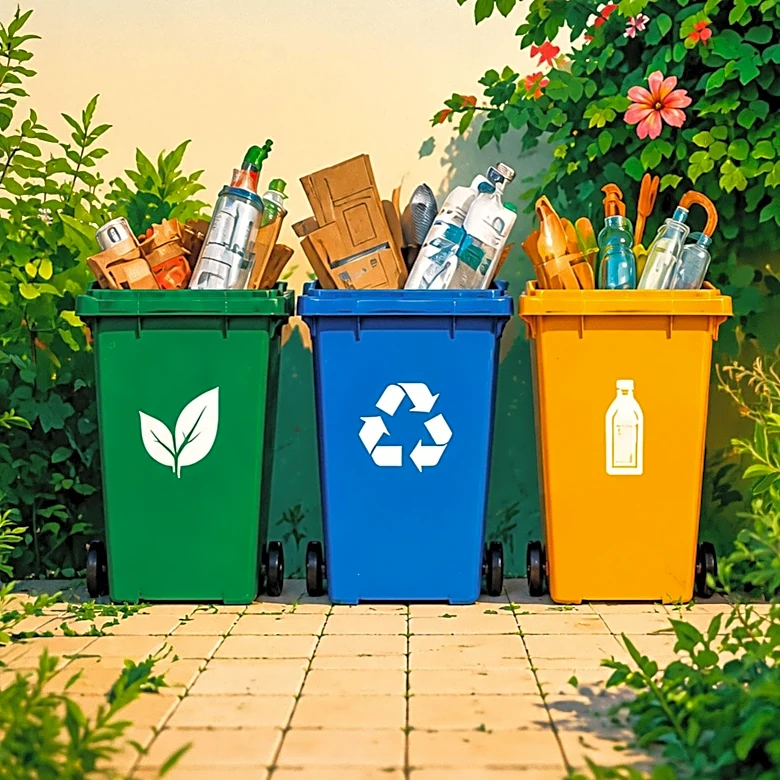
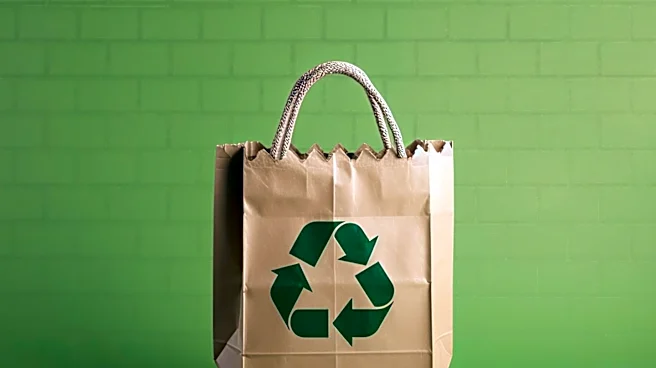
will no longer be permissible without verifiable proof of environmental performance. Instead, properties must provide specific details, such as using electricity from renewable sources, producing hot water with solar panels, or serving organic, locally sourced products. The legislation emphasizes that both explicit claims and implied messages through names, logos, or images must be accurate and supported by concrete evidence, not just slogans or unverified assertions.
Why It's Important?
These regulations are crucial for fostering transparency and trust within the sustainable tourism market. They protect consumers from misleading environmental claims, enabling them to make genuinely informed choices about eco-friendly accommodations. For businesses, while initially challenging, these rules encourage authentic sustainability practices and clear communication, potentially leading to increased consumer loyalty and a competitive advantage for truly green establishments. It also levels the playing field, preventing businesses that merely 'greenwash' from undermining the efforts of those genuinely investing in environmental improvements. The directive could also spur innovation in sustainable technologies and practices within the hospitality industry as businesses strive to meet the new standards and differentiate themselves.
What's Next?
In the coming years, hospitality businesses across the EU will need to meticulously review and revise their marketing materials, websites, and operational disclosures to comply with these new rules. This will likely involve detailed audits of their environmental practices and investments in verifiable sustainability measures. There may be an increased demand for environmental certifications and expert consultations to ensure compliance. The EU Commission will likely monitor adherence, and non-compliant businesses could face penalties or reputational damage. This initiative could also inspire similar regulations in other regions globally, pushing for greater accountability in environmental claims across various industries.
Beyond the Headlines
Beyond regulatory compliance, these rules signify a broader societal demand for corporate responsibility and genuine environmental action. They highlight the power of consumer awareness in driving policy changes and business practices. The emphasis on specific, verifiable claims over vague 'green' branding could lead to a more sophisticated understanding of sustainability among both businesses and consumers. It also underscores the importance of data and evidence in environmental discourse, moving beyond rhetoric to measurable impact. This shift could ultimately contribute to more effective environmental protection efforts by ensuring that resources are directed towards tangible, impactful sustainability initiatives rather than superficial marketing ploys.