






What's Happening?
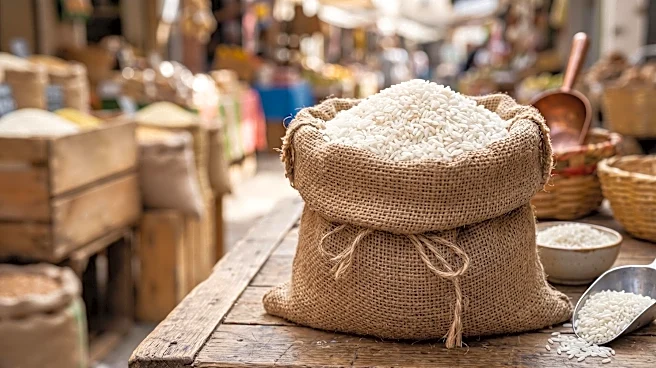
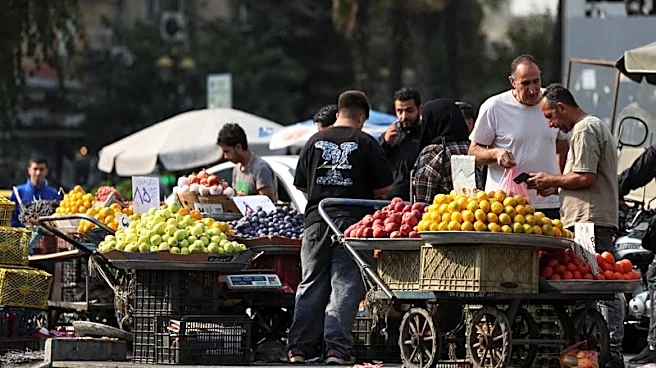
Vendors in Santa Cruz, Bolivia, are reporting substantial price hikes for staple food items. The cost of rice has increased from Bs 7-8 to Bs 9, while bulk sugar has risen from Bs 6 to Bs 7, with packaged sugar reaching Bs 8 and projected to hit Bs 9 soon.
Flour prices have also seen a significant jump of Bs 50-60 per quintal. These increases directly impact household budgets, affecting daily meals for residents. The situation in Santa Cruz reflects a broader economic theme where supply chain strains lead to the rapid escalation of prices for essential goods. This trend suggests that if distribution issues are not resolved, further price increases are likely, posing ongoing challenges for consumers.
Why It's Important?
For investors, the rising food prices in Santa Cruz underscore the critical need to closely monitor food suppliers, retailers, and businesses sensitive to inflation. Persistent increases in the cost of basic foods can exert considerable pressure on consumer spending, potentially leading to reduced purchasing power and shifts in consumer behavior. This economic environment can complicate policy decisions for governments attempting to manage inflation and maintain economic stability. Furthermore, elevated input costs for retailers and food companies can compress profit margins, affecting their financial performance. The situation in Bolivia also highlights a global trend of sticky food inflation, driven by energy costs and supply chain disruptions, which continues to impact the cost of staples worldwide.
What's Next?
If authorities fail to stabilize food distribution channels, further price hikes for essential goods in Santa Cruz and potentially other regions of Bolivia are anticipated. This could lead to increased financial strain on households, potentially prompting calls for government intervention or subsidies to alleviate the burden of rising living costs. For businesses, continued inflation will necessitate strategic adjustments, such as optimizing supply chains, exploring alternative sourcing, or passing on increased costs to consumers, which could further impact demand. The broader economic implications may include a re-evaluation of monetary policies by the central bank to address inflationary pressures, potentially affecting interest rates and overall economic growth projections.
Beyond the Headlines
The surge in food prices in Santa Cruz points to deeper systemic vulnerabilities within Bolivia's supply chains and economic infrastructure. Beyond immediate financial impacts, sustained food inflation can exacerbate social inequalities, disproportionately affecting low-income households that spend a larger percentage of their income on food. This situation could also trigger broader social unrest or political instability if the government is perceived as ineffective in managing the crisis. Long-term implications might include a shift in dietary patterns as consumers opt for cheaper, less nutritious alternatives, potentially leading to public health concerns. The reliance on stable supply chains for basic necessities highlights the fragility of food security in the face of global economic disruptions and local logistical challenges.