







What's Happening?
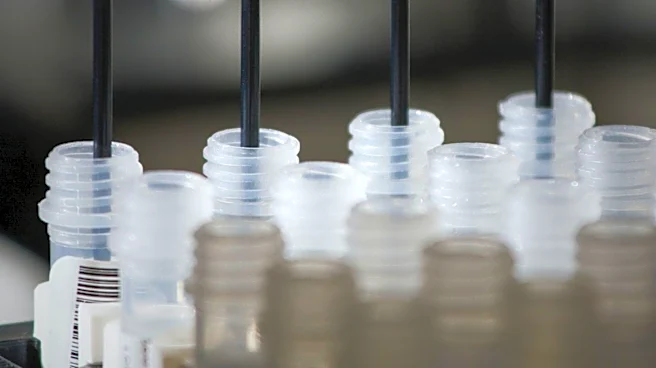
Cultivated meat scientists are actively engaged in developing and maintaining animal cell lines for food production. A primary focus of their work involves formulating and testing lower-cost cell culture media, which is crucial for making cultivated meat more
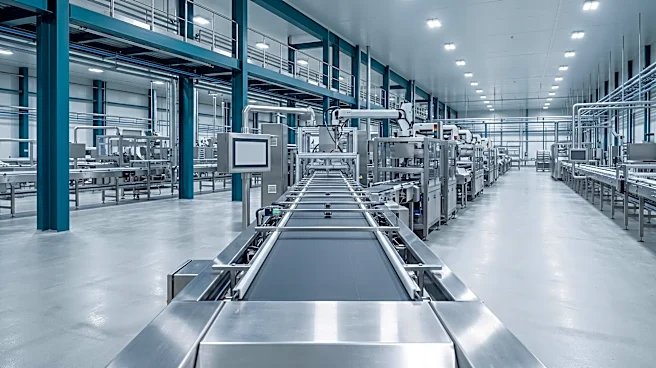
economically viable. These scientists also concentrate on scaling up cell growth in bioreactors, a key step for mass production. Furthermore, they are designing scaffolds to provide cultivated meat with the necessary structure and texture, moving beyond a paste-like consistency. The field is still in its nascent stages, facing significant challenges, particularly concerning cost-effectiveness and the ability to scale production to meet market demands. This scientific endeavor aims to grow real animal meat from cells, offering an alternative to traditional animal agriculture.
Why It's Important?
The advancements in cultivated meat science hold significant importance for the U.S. food industry and broader society. By developing lower-cost cell culture media and efficient bioreactor scaling methods, these scientists are working to overcome major economic hurdles that currently limit the widespread adoption of cultivated meat. Successful development in this area could lead to a more sustainable and ethical protein source, potentially reducing the environmental impact associated with conventional livestock farming. Consumers stand to gain from a diversified protein market, offering choices that align with various dietary preferences and ethical considerations. Businesses in the food sector, including plant-based startups and traditional meat processors, are vying for a share in the growing protein market, which is valued in the tens of billions of dollars. Innovation in cultivated meat could reshape this market, creating new opportunities for companies that can successfully bring these products to scale and at a competitive price point.
What's Next?
The cultivated meat industry is expected to continue its rapid innovation, with ongoing efforts to address the challenges of cost and scale. Scientists will likely focus on further optimizing cell culture media to reduce expenses and enhance efficiency. Collaboration between scientists and engineers will be crucial for developing pilot-plant production facilities and refining bioreactor technologies. Regulatory bodies in the U.S., such as the FDA and USDA, will continue to oversee the pre-market consultation and safety assessment of cultivated meat products before they can be sold to consumers. As the technology matures, there will be increased emphasis on taste, texture, and nutritional testing to ensure consumer acceptance. The long-term trajectory involves integrating cultivated meat into the broader food system, potentially offering a protein source with lower environmental costs and expanding consumer options.
Beyond the Headlines
The emergence of cultivated meat technology carries deeper implications beyond immediate food production. Ethically, it presents a potential solution to animal welfare concerns associated with traditional farming practices. Legally, it necessitates the development of new regulatory frameworks to ensure product safety, labeling accuracy, and fair market competition. Culturally, the acceptance of meat grown from cells could represent a significant shift in dietary norms and consumer perceptions of food. This innovation could also trigger long-term shifts in agricultural land use, water consumption, and greenhouse gas emissions, contributing to broader climate change mitigation efforts. The ongoing research into cultivated meat reflects a global trend towards diversifying protein sources and addressing the sustainability challenges of feeding a growing population, pushing the boundaries of food science and technology.