





What's Happening?
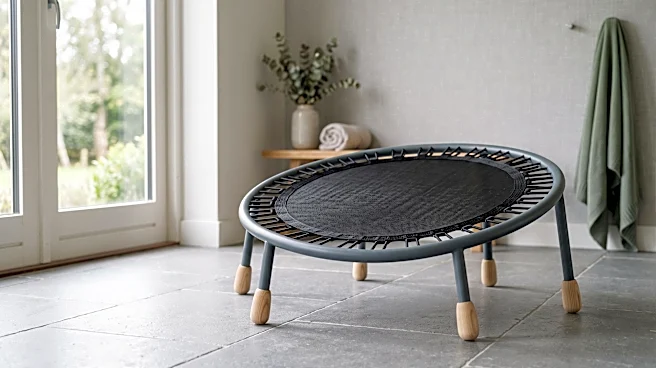
Social media is currently abuzz with various 'lymphatic workouts,' including 'lymphatic walking' and 'rebounding' (jumping on a trampoline), which influencers claim can detoxify and de-puff the body by enhancing lymph fluid circulation. These practices
are promoted as methods to reduce swelling and bloating. While the wellness world has long discussed lymphatic drainage, experts like Marc Miller, a physical therapist specializing in lymphatic health at MD Anderson Cancer Center, note that there is little scientific evidence to support the idea that specific exercise routines are more effective for maintaining a healthy lymphatic system than general exercise. The lymphatic system, an intricate network of vessels and nodes, relies on muscle contractions from movement, breathing, and digestion to circulate lymph fluid, unlike the cardiovascular system which has a central pump.
Why It's Important?
The promotion of unproven 'lymphatic workouts' by social media influencers can mislead the public into believing that specific, often trendy, exercises are necessary for lymphatic health. This can divert individuals from engaging in general, evidence-based physical activity that is genuinely beneficial for the lymphatic system and overall health. While exercise is crucial for lymphatic circulation, the emphasis on specialized routines without scientific backing can create unnecessary anxiety or lead to ineffective practices. For individuals with healthy lymphatic systems, any form of movement is beneficial, and experts recommend 150 minutes of moderate-intensity aerobic activity and two strength training sessions per week. The misinformation can also overshadow the real medical conditions like lymphedema, which requires professional medical attention and specific therapeutic exercises, not just general 'lymphatic workouts' promoted online.
What's Next?
As the social media hype around 'lymphatic workouts' continues, there may be a growing need for health professionals and organizations to actively counter misinformation and provide clear, evidence-based guidance on lymphatic health. Educational campaigns could help the public understand the true function of the lymphatic system and the role of general exercise versus specialized, unproven routines. Social media platforms might face increasing pressure to moderate health claims made by influencers, potentially requiring disclaimers or fact-checking. Individuals seeking to improve their lymphatic health are encouraged to consult with healthcare providers, especially if they have underlying conditions like lymphedema, to ensure they are following safe and effective practices rather than relying on unsubstantiated online trends. The focus should shift back to consistent, moderate movement as a cornerstone of lymphatic and overall well-being.
Beyond the Headlines
The 'lymphatic workout' trend highlights a broader issue within the wellness industry: the rapid adoption and promotion of health practices based on anecdotal evidence or superficial understanding, often amplified by social media. This phenomenon underscores the challenge of distinguishing credible health information from marketing-driven fads in the digital age. It also reflects a cultural desire for 'detoxification' and quick fixes for bodily functions, often overlooking the body's inherent capabilities. The ethical implications extend to influencers' responsibility in promoting health advice without proper qualifications, potentially impacting public health. This trend could lead to a greater demand for scientific literacy among consumers and a more critical approach to online health claims, fostering a healthier skepticism towards unverified wellness trends and encouraging reliance on established medical expertise.