







What's Happening?
A recent study published in Nature Communications analyzed data from 6,470 participants aged 30 and older to investigate the impact of various diets on biological aging. Researchers examined biomarkers correlated with biological age and compared them
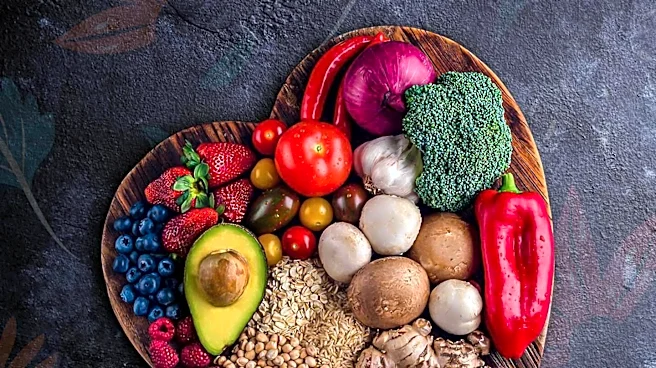
with dietary information. The findings indicate that healthier eating, in general, is associated with slower biological aging, regardless of the specific diet chosen. While all healthy diets showed shared benefits, some offered particular advantages; for instance, the DASH diet demonstrated more cardiovascular benefits, and the MIND diet provided cognitive perks. Dietitians emphasize that the overall quality of consistent healthy eating is paramount, rather than adherence to a single, specific plan. Common characteristics among the 10 diets identified as beneficial for biological aging include an emphasis on fruits, vegetables, whole grains, and nutrient-dense foods, along with a reduction in processed foods, refined carbs, added sugars, and processed meats. These diets supply essential fiber, antioxidants, polyphenols, vitamins, minerals, and healthy fats that support metabolic health and protect cells from oxidative stress and chronic inflammation, both linked to disease risk.
Why It's Important?
This research is significant for public health and individual lifestyle choices in the U.S. as it reinforces the long-held belief that diet plays a crucial role in healthy aging. The study's conclusion that the 'overall quality' of diet matters most, rather than a specific restrictive plan, could simplify dietary advice and make healthy eating more accessible and sustainable for a broader population. It challenges the notion that expensive foods, supplements, or highly restrictive diets are necessary for longevity, which can alleviate financial burdens and psychological pressures associated with niche dietary trends. For the healthcare industry, these findings underscore the importance of nutritional counseling as a primary tool for disease prevention and healthy aging. Furthermore, by highlighting the impact of nutrition on gene expression, the study empowers individuals to view their dietary choices as a powerful determinant of their long-term health, potentially reducing the burden of age-related diseases on the healthcare system.
Beyond the Headlines
The study's implications extend beyond individual dietary choices to broader societal and economic considerations. If a general shift towards healthier eating patterns occurs, it could influence agricultural practices, food production, and the food industry. There might be increased demand for whole, unprocessed foods and a decreased demand for highly processed items, potentially leading to changes in food supply chains and marketing strategies. Ethically, the findings reinforce the importance of equitable access to nutritious foods, as the benefits of healthy eating should not be limited by socioeconomic status. Public policy could be influenced to support initiatives that make healthy food more affordable and available, such as subsidies for fruits and vegetables or regulations on processed food content. Culturally, this research could contribute to a greater societal appreciation for balanced nutrition as a cornerstone of well-being, moving away from quick-fix solutions and towards a more holistic understanding of health and longevity.