







What's Happening?
Registered dietitian Michelle Dohrman of St. Joseph Health has shared practical meal prepping tips aimed at helping individuals save money while maintaining a nutritious diet. Dohrman emphasizes that effective meal prepping begins with a plan, suggesting
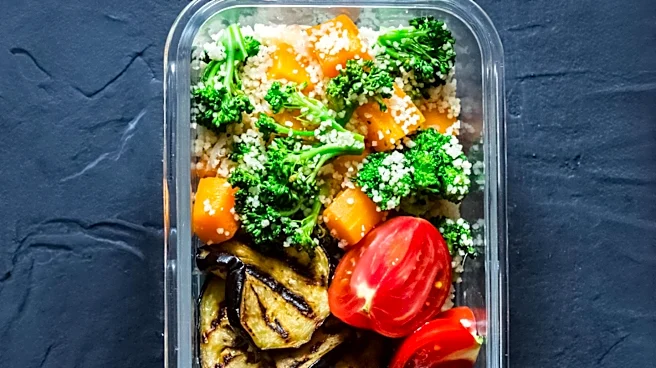
that people write down one or two days' worth of menu ideas and gradually build a running list over time. This approach helps avoid the need to constantly invent new meal ideas. She also recommends preparing components of meals in advance, such as cooking a batch of chicken on the weekend for use in various dishes throughout the week, or pre-chopping vegetables. Dohrman highlights that preparing meals at home can prevent reliance on drive-thrus or restaurant meals, which tend to be higher in calories, sodium, sugar, and fat, and are generally more expensive. Additionally, she advises creating a grocery list based on planned menus to reduce impulse purchases and save money at the store, and to 'shop your pantry' by checking existing supplies before buying more groceries.
Why It's Important?
These meal prep strategies are important for promoting public health and financial well-being in the U.S. By encouraging planned home cooking, Dohrman's advice can help combat the rising rates of diet-related illnesses often linked to frequent consumption of processed and restaurant foods. The emphasis on nutrient-dense, home-prepared meals supports better dietary habits, potentially leading to improved health outcomes and reduced healthcare costs in the long run. Economically, these tips empower consumers to manage their food budgets more effectively, a crucial factor given fluctuating food prices and economic pressures. Reducing impulse buys and utilizing existing pantry items can lead to significant savings for households. Furthermore, the convenience offered by meal prepping can make healthy eating more accessible for busy individuals and families, addressing a common barrier to maintaining a balanced diet.
What's Next?
Individuals can immediately implement Dohrman's recommendations by starting with simple meal plans and gradually incorporating more advanced prepping techniques. The ongoing adoption of these practices could lead to a sustained shift towards healthier eating habits and more mindful grocery shopping across U.S. households. Educational initiatives from health organizations and dietitians are likely to continue promoting such practical advice to a broader audience. As consumers become more adept at meal prepping, there may be an increased demand for affordable, healthy bulk ingredients and pre-prepared components from grocery stores. This could influence product offerings and marketing strategies within the food retail sector, potentially leading to more accessible and convenient options for meal preppers.
Beyond the Headlines
The broader implications of widespread meal prepping extend beyond individual health and finances, touching upon societal trends and environmental impact. A shift towards home-cooked meals could reduce reliance on fast food and highly processed options, potentially influencing the food industry to offer healthier, more transparent products. Environmentally, planned grocery shopping and reduced food waste, a natural outcome of effective meal prepping, could contribute to more sustainable consumption patterns. Culturally, meal prepping could foster a renewed appreciation for cooking and shared meal times, strengthening family bonds and community health. It also highlights a growing consumer awareness and desire for control over their diet and budget, reflecting a broader trend towards self-sufficiency and informed decision-making in daily life.