






What's Happening?
The news industry is increasingly adopting events as a central business model, moving away from traditional advertising and subscription-only approaches. This shift is driven by the collapse of older, protected business models and the ongoing search for
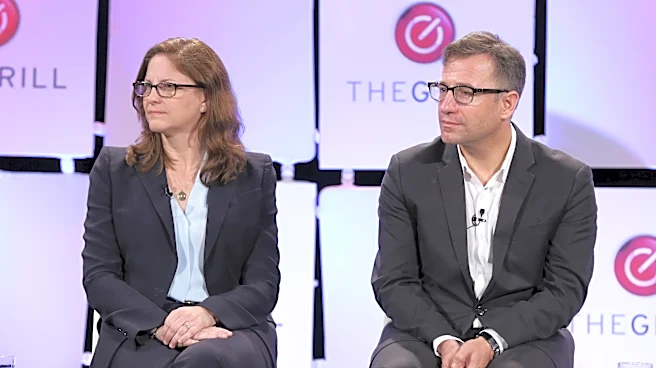
sustainable revenue streams. Jessica Lessin, a prominent figure in the media landscape, noted that events have become a significant trend in publishing. Many news organizations are now focusing on creating high-value convenings, ranging from small dinners and nationwide brunch tours to large conferences and outdoor experiences. This strategy aims to create direct engagement with audiences and stakeholders, offering a more tangible economic function compared to the declining value of display advertising or click-chasing. The industry is experimenting with various event formats to attract participants and generate revenue, reflecting a broader effort to innovate and adapt to a rapidly changing media environment. This pivot is seen as a response to the challenges posed by platforms and artificial intelligence, pushing publishers to build new models rather than attempting to revive past ones.
Why It's Important?
This strategic pivot to events holds significant implications for the U.S. media landscape and related industries. For news publishers, it represents a critical attempt to establish financial stability in a challenging economic climate. By focusing on events, media companies can create new revenue streams through sponsorships, ticket sales, and direct engagement with businesses and influential individuals. This model allows for closer interaction between content creators and their audience, potentially fostering stronger community ties and brand loyalty. However, it also introduces new complexities, particularly regarding potential conflicts of interest. When news organizations host events that bring together political decision-makers and corporate interests, the line between journalism and commercial activity can blur, raising questions about editorial independence and journalistic integrity. The success of this model could redefine how news is consumed and funded, shifting the emphasis from broad readership to targeted, high-value interactions, impacting how information is disseminated and perceived by the public.
What's Next?
The trend of news organizations integrating events into their core business models is expected to continue and evolve. Publishers will likely refine their event strategies, focusing on niche topics and high-profile speakers to attract specific audiences and maximize revenue. There will be an ongoing effort to balance commercial success with journalistic ethics, as media companies navigate the potential conflicts arising from event sponsorships and speaker payments. We may see increased scrutiny from media watchdogs and the public regarding the transparency of these events and their influence on editorial content. Furthermore, as more organizations enter this space, competition for speakers and attendees will intensify, pushing for greater innovation in event formats and content. The industry will also likely explore how technology, such as virtual and hybrid event platforms, can further enhance reach and engagement, potentially creating new opportunities for monetization and audience interaction beyond traditional physical gatherings.
Beyond the Headlines
The shift towards events in the news industry reflects a deeper transformation in the value proposition of journalism. Beyond simply delivering information, news organizations are increasingly positioning themselves as conveners of influential conversations and facilitators of networking. This evolution has ethical dimensions, as the financial incentives of event hosting could subtly influence editorial priorities or create perceived biases. Legally, there may be increased scrutiny on disclosure requirements for sponsored content within events and the transparency of speaker arrangements. Culturally, this trend could lead to a more exclusive form of journalism, where access to high-value insights and discussions is increasingly tied to participation in paid events, potentially widening the gap between those who can afford such access and the general public. In the long term, this model could reshape the public's perception of news organizations, viewing them not just as sources of information but as platforms for dialogue and influence, fundamentally altering the relationship between media, power, and the public.