

What's Happening?
Elon Musk has reignited his public disagreement with Delta Air Lines following its decision to select Amazon Leo as its in-flight WiFi provider over Starlink. Musk, through posts on X, stated, 'I warned them. It will get much worse,' in response to users
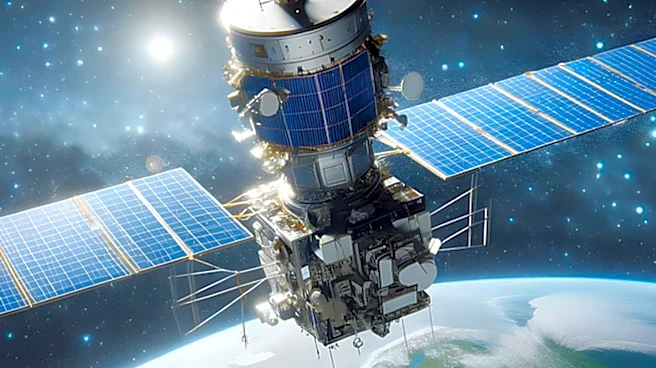
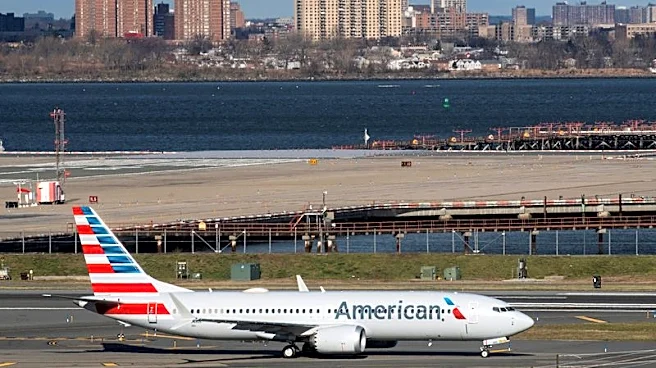
claiming they would choose United Airlines over Delta due to Starlink availability. This follows his earlier warning in May that Delta would 'lose customers' after the airline announced its deal with Amazon Leo. While Starlink boasts over 10,000 active satellites and partnerships with 43 airlines, Amazon Leo currently has under 400 satellites and two announced airline customers: JetBlue and Delta. Delta CEO Ed Bastian cited Amazon Leo's lower price point and potential for a broader partnership with Amazon as key reasons for their choice. United Airlines and American Airlines, Delta's main rivals, have both opted for Starlink, though its installation across their fleets is still ongoing.
Why It's Important?
This dispute highlights the intensifying competition in the in-flight connectivity market, a crucial battleground for airline customer satisfaction and loyalty. As passengers increasingly expect seamless internet access, the choice of WiFi provider can significantly influence an airline's competitive edge. Musk's aggressive stance underscores the high stakes for Starlink in securing market dominance against emerging rivals like Amazon Leo. For U.S. airlines, the decision involves balancing cost, bandwidth, installation logistics, and potential customer preferences. Delta's choice of Amazon Leo, despite Starlink's current lead in satellite deployment and airline partnerships, suggests a strategic move to diversify its technology partners and potentially secure more favorable terms. This rivalry could drive innovation and lower costs for in-flight internet services, ultimately benefiting consumers, but it also creates a complex landscape for airlines navigating these technological shifts.
What's Next?
The ongoing public dispute between Elon Musk and Delta Air Lines is likely to continue, with Musk potentially using his platform to further criticize Delta's decision. Delta is scheduled to roll out Amazon Leo's service in 2028, while JetBlue plans to launch it next year. American Airlines is expected to launch Starlink in early 2027, and United Airlines aims to equip nearly 1,000 planes with Starlink by the end of the current year. The performance and customer reception of both Starlink and Amazon Leo services on their respective partner airlines will be closely watched. If customer feedback strongly favors one provider, it could pressure other airlines to reconsider their choices or accelerate their own WiFi upgrade plans. This competition could also lead to further price reductions or enhanced service offerings from both satellite internet providers as they vie for market share in the lucrative airline industry.
Beyond the Headlines
Beyond the immediate competition for in-flight WiFi contracts, this rivalry between Starlink and Amazon Leo represents a broader clash between two of the world's most prominent tech billionaires, Elon Musk and Jeff Bezos, extending their space-based technology ambitions into commercial aviation. The strategic implications for airlines are significant; aligning with one provider over another could impact future technological integrations, data partnerships, and even brand perception. The debate also touches upon the evolving expectations of air travel, where connectivity is becoming as essential as comfort and safety. This shift could lead to airlines investing more heavily in digital infrastructure, potentially transforming the entire passenger experience and creating new revenue streams through personalized services and entertainment options enabled by high-speed internet. The long-term success of either Starlink or Amazon Leo in this sector could set a precedent for how other industries adopt satellite internet solutions.