




What's Happening?
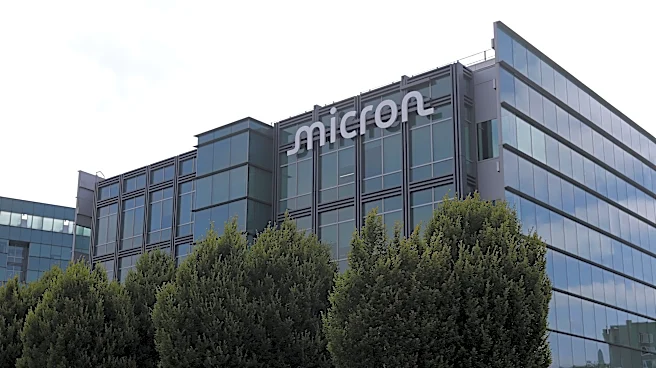
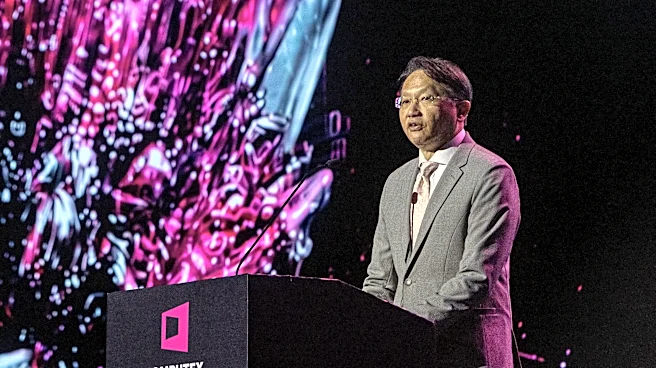
Micron Technology's President, Scott DeBoer, has stated that the company cannot support every customer due to a prolonged memory shortage. This announcement comes as Apple reportedly finalizes a four- to five-year DRAM agreement with Samsung, prioritizing
supply over immediate pricing. The memory shortage has allowed suppliers like Micron to gain significant leverage, contributing to Micron's projected 80.7% gross margin in fiscal 2026. DeBoer noted that the 'tightness of memory' is expected to persist for multiple years. Micron has proactively signed 26 multi-year agreements, covering over 35% of its revenue through 2030, with these agreements often including price caps near second-quarter 2026 market levels and a price floor to protect against future price drops. This strategic move ensures stability for Micron amidst fluctuating market conditions.
Why It's Important?
The ongoing memory shortage and Micron's inability to fulfill all customer orders highlight a critical supply chain challenge within the technology sector, particularly impacting U.S. companies. This situation grants significant pricing power to memory manufacturers like Micron, as evidenced by their high gross margins. For major tech players such as Apple, Dell Technologies, and HP, securing a consistent supply of DRAM has become paramount, even if it means accepting less favorable pricing terms or long-term commitments. This shift in leverage from buyers to suppliers could lead to increased costs for consumer electronics and enterprise hardware, potentially affecting profit margins for device manufacturers and ultimately influencing consumer prices. The long-term agreements signed by Micron also indicate a strategic move to stabilize future revenue streams and mitigate market volatility, which could set a precedent for other semiconductor companies.
What's Next?
Dell Technologies and HP are expected to release their financial reports soon, which will likely reveal how much of the increased memory costs they have been able to pass on to their customers. Micron's December report will serve as a crucial test for analysts, who currently price the company as if the memory shortage will not last. The reported deal between Apple and Samsung, which leaves pricing open to market conditions, suggests that even industry giants are adapting to the current supply-constrained environment. This trend could lead to more companies entering similar long-term agreements to secure essential components, potentially reshaping procurement strategies across the tech industry. The continued 'tightness of memory' for several years, as predicted by Micron, suggests that these supply chain dynamics will persist, influencing investment decisions and market valuations in the semiconductor sector.
Beyond the Headlines
The current memory shortage extends beyond immediate financial implications, pointing to deeper structural issues within the global semiconductor supply chain. The strategic shift by companies like Apple to secure supply through long-term agreements, even with flexible pricing, underscores a fundamental re-evaluation of risk management in critical component sourcing. This could lead to increased vertical integration or greater investment in domestic manufacturing capabilities to reduce reliance on a concentrated global supply base. Furthermore, the leverage gained by memory suppliers like Micron could incentivize further innovation and expansion in production capacity, but also raises questions about potential market concentration and its long-term effects on competition and pricing. The situation highlights the intricate balance between supply, demand, and strategic partnerships in a rapidly evolving technological landscape.