




What's Happening?
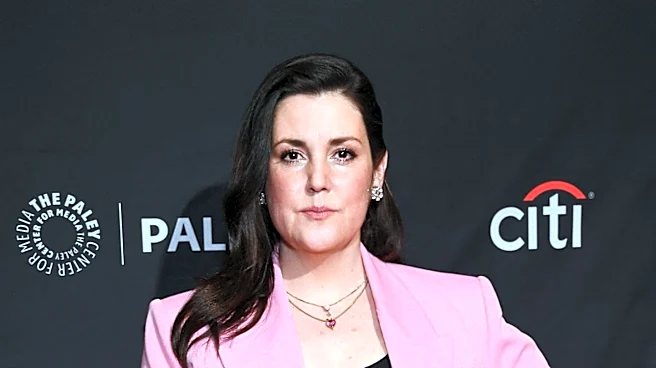
Actress Melanie Lynskey has publicly addressed and corrected 'insane' rumors regarding her salary during her time on the hit sitcom 'Two and a Half Men'. Contrary to online speculation suggesting she earned between $200,000 and $300,000 per episode, Lynskey stated
that her actual earnings were significantly lower. She revealed that she made 'literally one tenth of that stated number per episode,' starting at $20,000 per episode with a 5% raise each season. Her highest paycheck for a single episode in the final season was $43,000. Lynskey clarified that these figures are before deductions for agents, managers, business managers, and taxes, which typically reduce the take-home pay by about 50%. She appeared in 63 out of the show's 262 episodes, with more than half of her appearances occurring in the first two seasons. Lynskey's statement came in response to a fan comment on an Instagram clip featuring her former co-star Holland Taylor, who also discussed her own pay issues from the series.
Why It's Important?
This clarification from Melanie Lynskey highlights the persistent issue of salary transparency and misinformation within the entertainment industry. Public perception often inflates celebrity earnings, leading to unrealistic expectations and potential misunderstandings about the financial realities for many actors, especially those in supporting roles. Lynskey's disclosure underscores that even on highly successful shows, compensation can vary widely among cast members, and gross figures do not reflect net income after significant professional fees and taxes. This transparency can help demystify the financial aspects of acting careers, showing that while some lead actors command very high salaries, many others, even on popular shows, earn more modest amounts that are still subject to substantial deductions. It also brings attention to the broader conversation about fair compensation and raises for actors, as echoed by Holland Taylor's experience of not receiving raises despite Emmy nominations.
What's Next?
The public statements from Melanie Lynskey and Holland Taylor regarding their 'Two and a Half Men' salaries may encourage further discussions within the entertainment industry about pay equity and transparency. While showrunners have not yet responded to these specific claims, such public disclosures often contribute to ongoing dialogues among actors, unions, and production companies regarding contract negotiations and compensation structures. This could potentially influence future contract discussions for actors in similar roles, particularly concerning raises and the disparity between lead and supporting cast members' earnings. The ongoing conversation about fair pay in Hollywood is likely to continue, with more actors potentially sharing their experiences to advocate for greater transparency and equitable treatment.
Beyond the Headlines
The revelations from Melanie Lynskey and Holland Taylor touch upon deeper implications concerning labor practices and economic realities in the creative industries. The 'insane idea' that actors automatically make millions, as Lynskey put it, obscures the financial precarity many face, even after achieving a degree of success. This narrative can perpetuate a lack of empathy for actors' financial struggles and hinder efforts to advocate for better working conditions and pay. Furthermore, the significant cuts from agents, managers, and taxes illustrate the complex financial ecosystem surrounding entertainment professionals, where a substantial portion of earnings is diverted before reaching the individual. This situation underscores the importance of strong union representation and collective bargaining to ensure fair compensation and benefits for all levels of talent in an industry often characterized by vast wealth disparities.