







What's Happening?
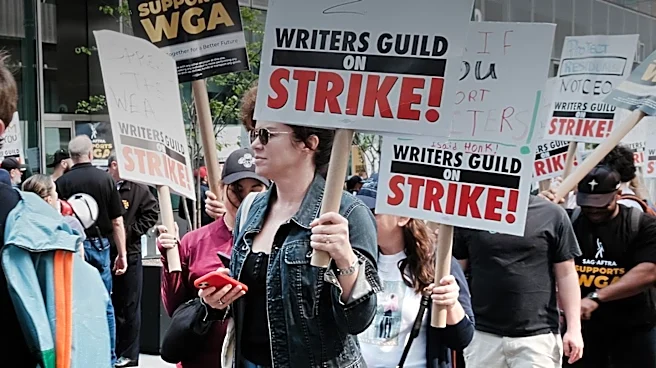
Hotel workers in Chicago are on strike for a second consecutive day, continuing their fight for a new contract. The strike, which began on Friday, involves employees from six hotels, including the Waldorf Astoria in the Gold Coast neighborhood. Unite
Here Local 1, the union representing thousands of hotel workers, initiated the strike after failing to reach new agreements with major hotel chains such as Hyatt, Hilton, and Marriott. Workers are demanding better pay, improved healthcare benefits, and enhanced pension plans. According to the union president, Karen Kent, a survey revealed that 32% of the workers do not earn enough to cover their rent or mortgage. Employees like Miriam Salinas, who has worked at the Waldorf for 13 years, expressed that they are living paycheck to paycheck and the current offers are insufficient. The strike is notably occurring during the weekend of the Chicago Marathon.
Why It's Important?
This strike significantly impacts Chicago's hospitality industry, especially during a major event like the Chicago Marathon, which typically brings a surge of tourists and business to the city. The disruption affects hotel operations, potentially leading to cancellations or reduced services, and could damage Chicago's reputation as a convention and tourism destination. For the striking workers, the action is critical for securing living wages and essential benefits, highlighting broader economic inequalities and the challenges faced by service industry employees in high-cost urban areas. The union's assertion that a significant portion of its members cannot afford housing underscores the pressing need for contract negotiations to address the rising cost of living. The outcome of these negotiations could set a precedent for labor relations in the hospitality sector across other major U.S. cities.
What's Next?
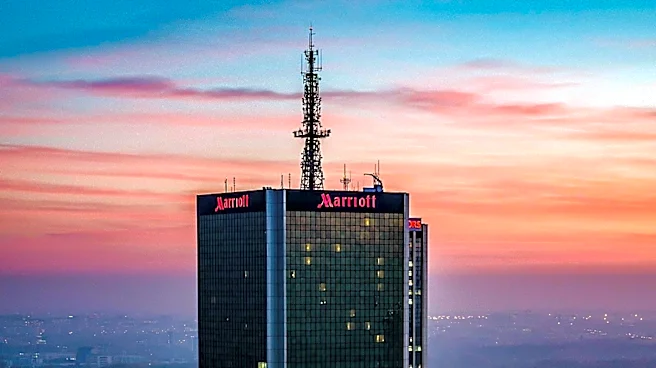
Workers plan to remain on the picket lines until a new agreement is reached with the hotel chains. The union has indicated that strikes could be called at additional hotels at any moment, potentially escalating the disruption. While Marriott stated it has protocols in place to address staffing impacts and remains open to meeting with the local union, Hyatt, Hilton, and Millennium Hotels and Resorts have not yet responded to requests for comment. The ongoing strike during a high-demand period like the Chicago Marathon puts pressure on both sides to find a resolution. Future negotiations will likely focus on the core demands of increased pay, healthcare, and pension benefits. The duration and outcome of this strike will depend on the willingness of both the union and hotel management to compromise and reach a mutually acceptable contract.
Beyond the Headlines
The Chicago hotel strike reflects a growing trend of labor activism across various sectors in the U.S., driven by concerns over stagnant wages, rising living costs, and corporate profits. This movement highlights the power dynamics between large corporations and their workforce, particularly in industries heavily reliant on human labor. The strike also brings into focus the ethical responsibilities of businesses towards their employees, especially those who form the backbone of the service economy. Beyond the immediate economic impact, such labor disputes can foster greater public awareness and support for workers' rights, potentially influencing consumer choices and corporate policies in the long term. The solidarity among the striking workers and their determination to secure a fair contract could inspire similar actions in other cities and industries facing similar challenges.