





What's Happening?
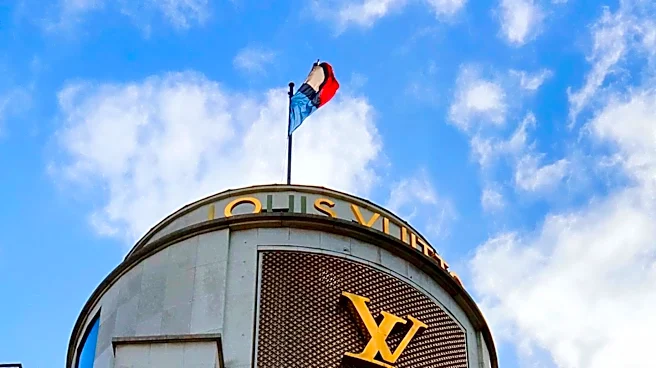
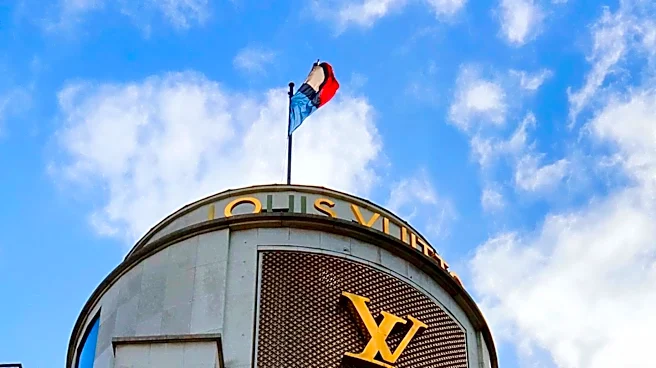
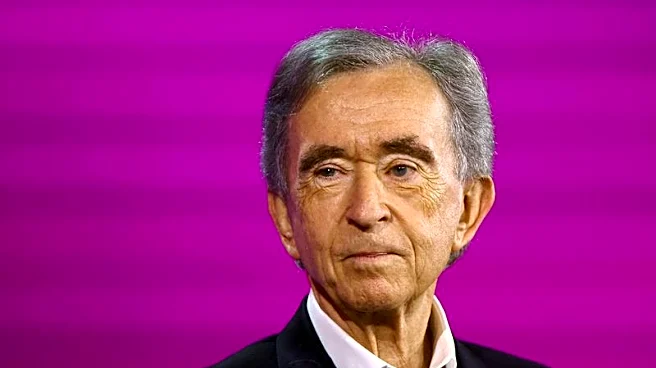
Bernard Arnault, chairman of LVMH, has publicly denied any family rift over succession plans following a detailed investigation by Le Monde. The report suggested rivalry among Arnault's children for control of the luxury empire. Despite these claims,
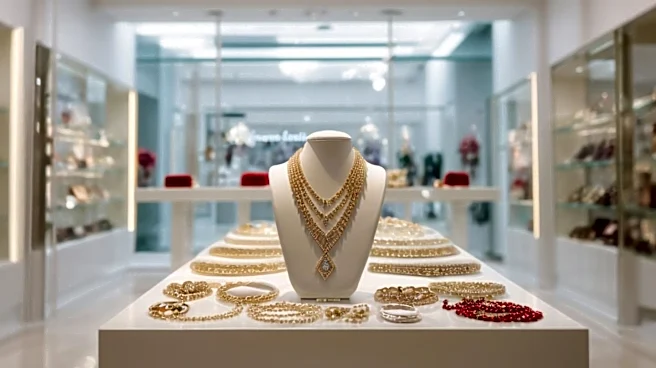
LVMH's latest earnings report highlights that the best-performing segment, Watches & Jewelry, is not managed by any of Arnault's children but by executive Jean-Christophe Babin. This segment outperformed expectations, while other divisions, including Fashion & Leather Goods, showed signs of slowing growth. Analysts suggest that while succession is on investors' minds, it is not currently impacting LVMH's stock performance.
Why It's Important?
The succession plans for LVMH, the world's largest luxury goods company, are crucial for investors and the luxury market. The performance of different segments under various leaders could influence future leadership decisions. The current success of the Watches & Jewelry segment under an external executive raises questions about the potential for non-family leadership. This situation reflects broader industry trends where family-owned businesses are increasingly considering professional management to sustain growth. The outcome of LVMH's succession planning could set a precedent for other family-run luxury brands facing similar challenges.
What's Next?
As LVMH navigates its succession planning, the focus will be on whether the Arnault siblings can collaborate effectively or if external leadership will be considered. The company's ability to maintain its market position amid these internal dynamics will be closely watched by investors. Future earnings reports and strategic decisions, particularly in capital allocation and mergers, will provide further insights into the company's direction. The luxury market will be observing LVMH's approach to leadership transition as a potential model for balancing family legacy with professional management.