




What's Happening?
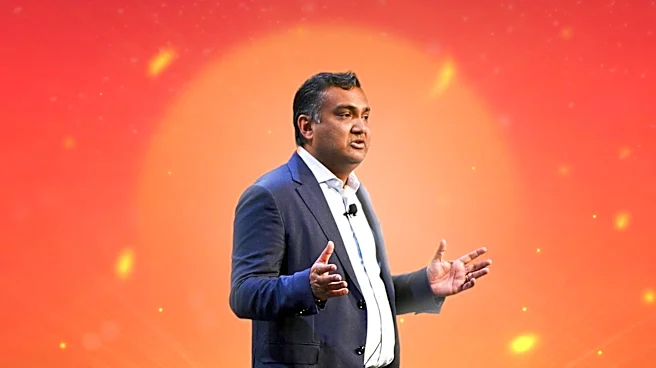
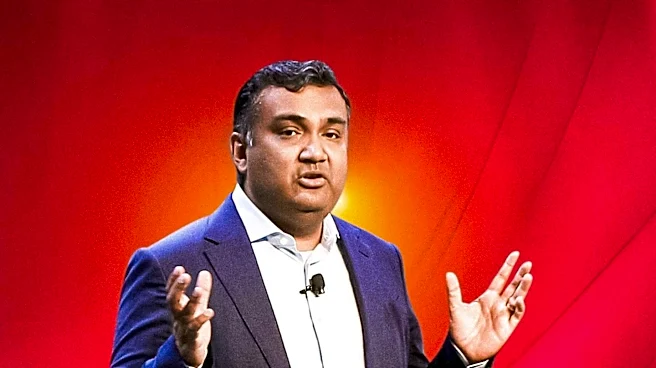
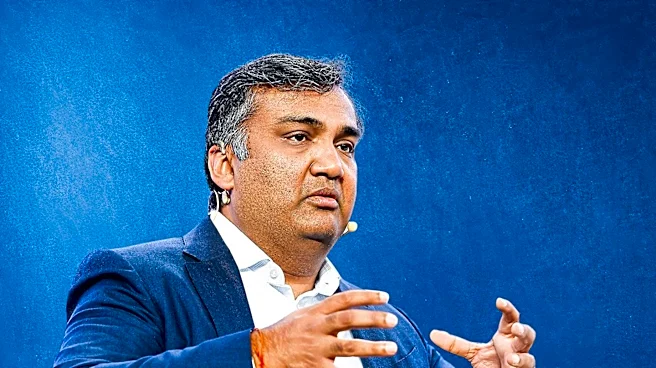
Nikesh Arora, Chairman and CEO of Palo Alto Networks, has highlighted the transformative potential of AI agents to disrupt the internet economy. In a recent discussion, Arora emphasized that these AI agents could significantly reshape existing business
models and alter how individuals engage with digital services. His insights suggest a future where AI plays a more central role in online interactions, potentially leading to substantial changes across various sectors of the internet economy. Arora's comments underscore the growing influence of artificial intelligence in technological advancements and its capacity to drive innovation while also presenting new challenges for businesses and consumers alike. The discussion focused on both the opportunities and the potential disruptions that AI agents could introduce.
Why It's Important?
The insights from Nikesh Arora are important for U.S. industries and economic stakeholders as they signal a significant shift in the digital landscape. The potential disruption of a trillion-dollar internet economy by AI agents means that companies, particularly those in technology, e-commerce, and digital services, must adapt their strategies. Businesses that fail to integrate AI agents or anticipate their impact risk losing market share and competitive advantage. Conversely, early adopters and innovators in AI agent development stand to gain substantially, potentially creating new markets and revenue streams. This shift could also influence public policy discussions around data privacy, intellectual property, and the future of work, as AI agents become more sophisticated and integrated into daily life. The cybersecurity implications, a core focus for Palo Alto Networks, also become critical, as new AI-driven systems will require robust protection against evolving threats.
What's Next?
The ongoing development and integration of AI agents are expected to continue, leading to more sophisticated applications across the internet economy. Businesses will likely increase their investment in AI research and development to leverage these agents for improved efficiency, customer experience, and new product offerings. Regulatory bodies may also begin to explore frameworks for governing AI agent behavior, data usage, and ethical considerations, especially as their impact on various sectors becomes more pronounced. Consumers can anticipate more personalized and automated digital interactions, while cybersecurity firms like Palo Alto Networks will need to continuously innovate to protect against new vulnerabilities introduced by these advanced AI systems. The competitive landscape will intensify as companies vie for leadership in AI agent technology.
Beyond the Headlines
Beyond the immediate economic implications, the rise of AI agents presents deeper ethical and societal considerations. The increasing autonomy of AI in digital interactions could raise questions about accountability, decision-making biases, and the potential for job displacement in sectors heavily reliant on human-mediated digital services. There's also the long-term shift in human-computer interaction, moving towards more intuitive and less direct control, which could redefine digital literacy and user expectations. The legal framework around AI-generated content and actions will also need to evolve, addressing issues of ownership and responsibility. Ultimately, the widespread adoption of AI agents could fundamentally alter the fabric of the internet, transforming it from a platform of information exchange to a more intelligent, autonomous, and potentially self-organizing digital ecosystem.