



What's Happening?
Sillybandz, the popular bracelet brand, issued an apology after falsely announcing its permanent closure on Black Friday. On November 27, the company posted on Instagram that it would be its 'LAST BLACK FRIDAY' and the 'final opportunity to shop Silly before
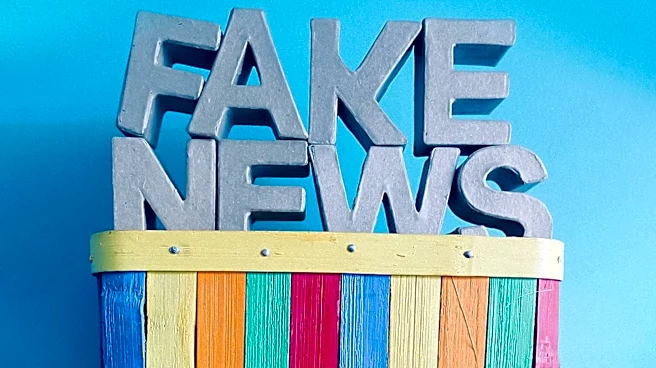
we shut down,' accompanied by a 50% sitewide sale. This announcement, which stated, 'After years of memories, collections, and countless trades, the time has come to say goodbye,' quickly went viral. Many fans shared nostalgic memories online, and several news outlets reported the closure as fact. However, approximately eight hours later, Sillybandz posted a follow-up statement titled 'WE OWE YOU AN APOLOGY!' clarifying that the brand was not closing. The company admitted that its team 'set out to participate in a viral Black Friday trend' but acknowledged that the story gained a much larger audience and nationwide media coverage than anticipated, leading to widespread misinformation.
Why It's Important?
This incident highlights the potential for viral marketing tactics to mislead the public and media, even when intended as a trend participation. The rapid spread of the false closure announcement demonstrates how quickly information, even if unverified, can gain traction across social media and traditional news outlets. For consumers, it created confusion and potentially prompted rushed purchases under false pretenses of scarcity. For businesses, it serves as a cautionary tale regarding the execution of viral marketing campaigns, especially those that involve sensitive announcements like business closures. While the initial goal might have been to generate buzz and sales, the subsequent need for an apology and clarification could damage brand trust and credibility, particularly if consumers feel manipulated. The event also underscores the responsibility of news outlets to verify information before reporting, especially when it originates from social media trends.
What's Next?
Sillybandz has stated that it is 'alive and well' and plans to release 'so many amazing new packs, collaborations and announcements coming soon.' The brand will likely focus on rebuilding trust with its customer base and media outlets following the misleading announcement. Future marketing campaigns from Sillybandz may be scrutinized more closely for authenticity and transparency. Other brands might re-evaluate their strategies for participating in viral trends, particularly those that involve dramatic or misleading claims, to avoid similar backlashes. The incident could also prompt discussions within the marketing industry about ethical boundaries in viral campaigns and the potential for consumer deception, even if unintentional. Media organizations may also reinforce internal guidelines for verifying social media claims before publishing them as news.
Beyond the Headlines
The Sillybandz incident touches upon broader themes of digital media literacy and the evolving landscape of brand communication. In an era where viral content can spread globally within hours, the line between genuine news and marketing stunts can become blurred. This event illustrates how nostalgia, a powerful emotional trigger, can amplify the virality of content, as many consumers reacted to the perceived loss of a childhood brand. Ethically, the situation raises questions about the responsibility of brands to their audience, particularly when engaging in tactics that could be perceived as deceptive, even if for a short period. Legally, while likely not crossing into actionable fraud given the quick retraction, such stunts could invite scrutiny if they were to cause significant financial harm or sustained public deception. Culturally, it reflects a growing trend of brands leveraging internet culture and meme-like behavior, sometimes with unforeseen consequences, as they navigate the complex digital public sphere.