

What's Happening?
Lancaster County is experiencing a shift to USDA Plant Hardiness Zone 7a, leading to milder temperatures and extended bloom times for various plants. This change offers local gardeners new opportunities to incorporate diverse colors and textures into
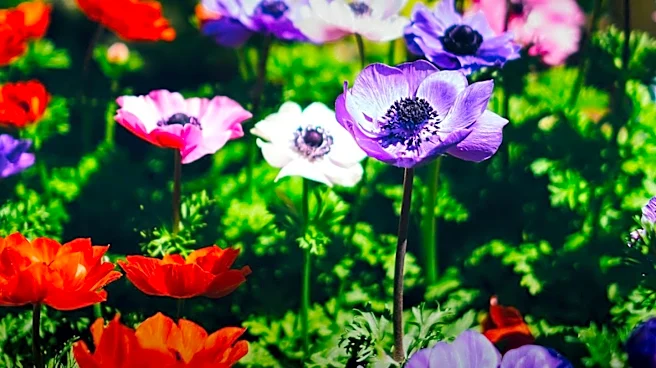
their late fall and early winter gardens. Master Gardeners are advising residents to take 'winter-interest plant walks' now to identify plants that can provide visual appeal during the colder months, helping them build a wish list for spring planting. Examples of plants offering late-season interest include Japanese anemone 'Honorine Jobert' with its late white blooms and cottony seed heads, golden larch for its shimmering fall color and unique seed cones, and various shrubs like red-twig dogwood and paperbark maple for their vibrant hues. The extended frost-free window allows common fall plants like mums and nasturtiums to continue blooming later into the season, potentially transforming them into perennial garden features.
Why It's Important?
The shift in Lancaster County's plant hardiness zone has significant implications for local horticulture and gardening practices. A warmer climate expands the palette of plants that can thrive in the region, potentially increasing biodiversity in home gardens and public spaces. This change also encourages a more year-round approach to gardening, moving away from traditional seasonal dormancy. For nurseries and garden centers, this could mean adjustments in inventory to meet demand for plants suitable for extended growing seasons and winter interest. Environmentally, while a warmer zone offers gardening benefits, it also reflects broader climate shifts that could have long-term ecological impacts on native plant species and local ecosystems. Understanding and adapting to these changes allows gardeners to maintain vibrant landscapes and contribute to local aesthetic and ecological health.
What's Next?
Gardeners in Lancaster County are encouraged to actively observe local gardens, parks, and public spaces like Longwood Gardens, Winterthur, and Chanticleer during late fall and early winter. The immediate next step involves identifying plants that offer visual interest through late blooms, bold colors, or unique textures, and documenting these for future planting plans. This proactive approach will inform spring planting decisions, allowing for the integration of species that can extend the garden's appeal beyond the traditional growing season. Local nurseries and horticultural experts may also begin to offer more guidance and stock plants specifically suited for the new hardiness zone and for providing winter interest. Continued monitoring of climate patterns and their impact on local flora will be crucial for long-term garden planning and maintenance.
Beyond the Headlines
The shift in Lancaster County's plant hardiness zone highlights a broader trend of climate change impacting local environments across the U.S. While offering immediate benefits for gardeners in terms of plant selection and extended bloom times, it also underscores the need for adaptation in agricultural and horticultural practices. This change could lead to a re-evaluation of what constitutes a 'traditional' garden season, fostering innovation in landscape design that prioritizes year-round visual appeal and ecological resilience. Furthermore, it may prompt increased interest in native plant species that are more adaptable to changing conditions, or conversely, introduce new challenges with invasive species that thrive in warmer climates. The emphasis on 'winter interest' also reflects a growing appreciation for the subtle beauty of dormant seasons and the importance of continuous engagement with natural spaces.