




What's Happening?
Angelina Jolie turned down a starring role in the 2000 film 'Charlie's Angels' despite Columbia Pictures' efforts to persuade her. The studio presented the opportunity as a chance for a strong female role that would elevate her to 'big star' status and
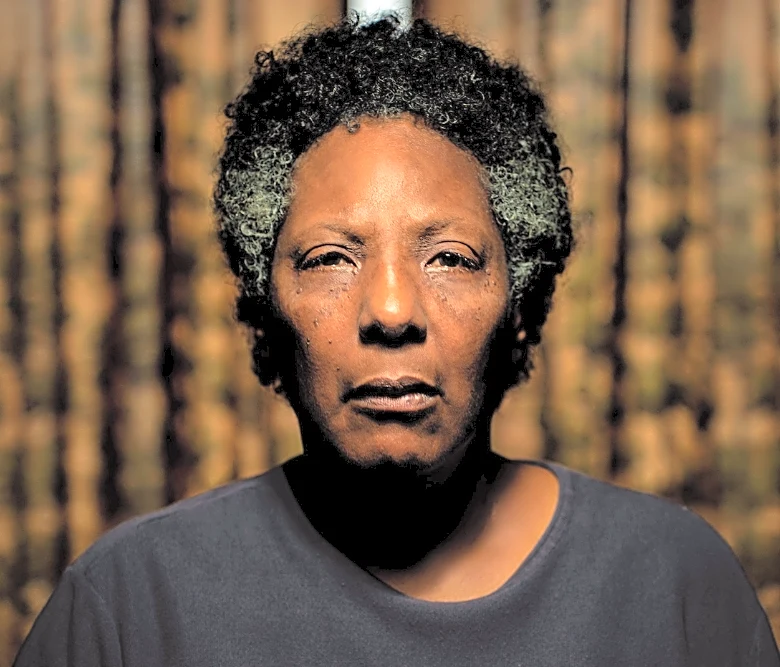
be enjoyable. However, Jolie expressed dissatisfaction with the premise that strong female roles were scarce, citing her recent performances in 'Gia,' 'George Wallace,' 'The Bone Collector,' and 'Girl, Interrupted' as counter-examples. Her primary reason for declining was her unwillingness to be objectified, stating she had no desire to 'run around in high heels chasing bad guys and flipping my hair' to appeal to a 'male gaze.' She perceived the film as primarily selling the sex appeal of its stars, a path she was not interested in pursuing. Cameron Diaz and Drew Barrymore had already signed on, and Jolie felt they could 'spoof their images,' which she believed would be harder for her given her different public image at the time. Thandiwe Newton, another actress considered for the film, also declined for similar reasons, explicitly stating she didn't want to be objectified.
Why It's Important?
Jolie's decision highlights a significant point of contention within Hollywood regarding the portrayal of women and the pressures placed on actresses. Her refusal to take a role she viewed as objectifying, despite its potential for commercial success and stardom, underscores a broader conversation about artistic integrity versus commercial viability. This stance challenged the industry's tendency to market films based on the sexual appeal of female leads, even in action-oriented roles. Her choice also reflects a growing awareness and resistance among actresses to roles that might compromise their artistic values or contribute to stereotypical representations. The fact that another actress, Thandiwe Newton, shared similar concerns further indicates that this was not an isolated sentiment but rather a reflection of a systemic issue within the film industry at the time, influencing how female characters were conceived and presented to audiences.
What's Next?
While this event occurred in the past, its implications continue to resonate in ongoing discussions about gender representation in media. The industry has seen a gradual shift towards more complex and less overtly sexualized female characters, partly influenced by such decisions made by prominent actors. Future casting decisions and film productions will likely continue to be scrutinized through this lens, with audiences and critics increasingly demanding nuanced portrayals of women. Actresses may continue to leverage their influence to advocate for roles that offer depth and agency rather than relying on superficial appeal. This historical decision by Jolie serves as a precedent for actors to prioritize their artistic and personal values over immediate career gains, potentially encouraging others to make similar choices in the future.
Beyond the Headlines
Jolie's rejection of 'Charlie's Angels' and her subsequent choice to star in 'Lara Croft: Tomb Raider' offer a nuanced perspective on female empowerment in action cinema. She distinguished Lara Croft as a character who was 'sensual, sexual, open, free, primitive' but did not use her sexuality 'in a silly way,' viewing her as a 'three-dimensional character' not defined by her sexuality. This distinction reveals a deeper critique of how female sexuality is deployed in film—whether it serves to empower the character or merely to cater to an external gaze. Her choices contributed to a broader dialogue about the authenticity of female characters in action roles, pushing for portrayals that emphasize strength, intelligence, and agency over mere visual appeal. This ongoing debate continues to shape how female protagonists are written and received, influencing cultural perceptions of women in powerful roles.