


What's Happening?
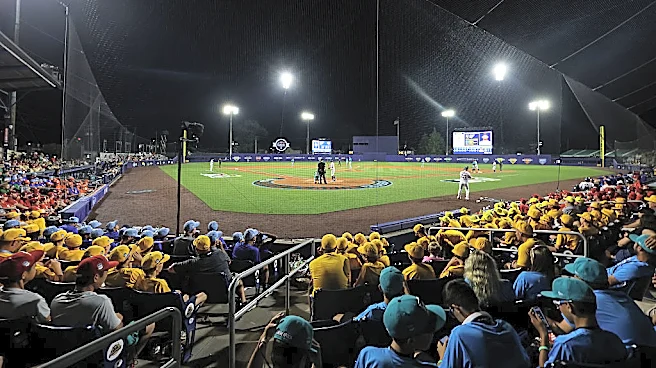
The Bayonne Little League baseball team, currently experiencing a surge in popularity as they aim for the Little League World Series, is encountering an unexpected obstacle in their fundraising efforts. The team has been utilizing its newfound recognition
to generate funds, but the emergence of unauthorized, or 'bootleg,' merchandise is significantly impacting their ability to raise money. These counterfeit items are being sold, diverting potential revenue that would otherwise go directly to supporting the team. NBC New York's Adam Harding reported on this development, highlighting how the team's success has inadvertently led to this challenge. The situation underscores the difficulties organizations can face when their popularity attracts unauthorized commercial activities that undermine legitimate fundraising initiatives.
Why It's Important?
This situation is important because it illustrates how intellectual property infringement, even on a local scale, can directly harm community-based organizations and their fundraising goals. For the Bayonne Little League, the sale of bootleg merchandise means a direct loss of funds that are crucial for their operations, equipment, travel, and overall support for young athletes. This not only impacts the current team but also future generations of players who rely on these funds. It also highlights a broader issue where the unauthorized reproduction and sale of merchandise can undermine legitimate efforts to capitalize on public interest and support. The integrity of fundraising for youth sports is at stake, as the community's desire to support the team is being exploited by unauthorized vendors, diverting resources away from the intended beneficiaries.
What's Next?
To counter the impact of bootleg merchandise, the Bayonne Little League will likely need to implement strategies to protect its branding and fundraising efforts. This could involve increasing awareness among supporters about where to purchase official merchandise, potentially through public announcements or social media campaigns. They might also explore legal avenues to address the unauthorized sales, though this can be a complex and resource-intensive process for a local organization. The team's continued success and visibility will likely determine the scale of this issue, making it crucial for them to find effective ways to channel public enthusiasm into legitimate financial support. Community members are encouraged to be vigilant and ensure their purchases directly benefit the team.
Beyond the Headlines
The issue of bootleg merchandise for the Bayonne Little League touches upon broader themes of intellectual property rights, community support, and the challenges faced by non-profit organizations in a commercialized environment. While the immediate concern is financial loss for the team, the proliferation of counterfeit goods can also dilute the brand identity and perceived value of official merchandise. Ethically, it raises questions about individuals profiting from the success and hard work of a youth sports team without contributing to its welfare. This scenario could also serve as a case study for other local sports teams or community groups on the importance of proactive measures to protect their brand and fundraising streams when they achieve public recognition.