





What's Happening?
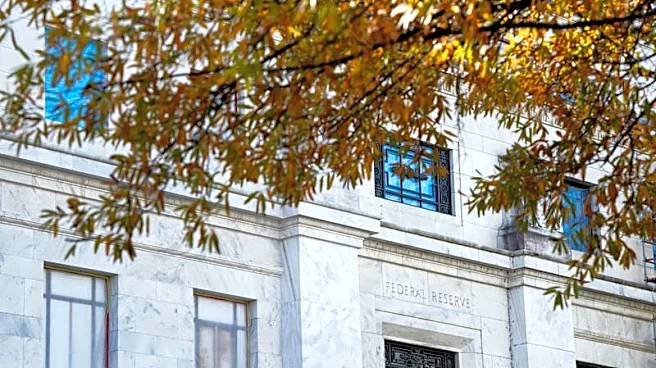
The Federal Reserve is under increasing pressure to consider more aggressive interest rate hikes due to persistent and broadening inflation across the U.S. economy. Recent consumer price index data for October showed a 0.4% increase in inflation, following
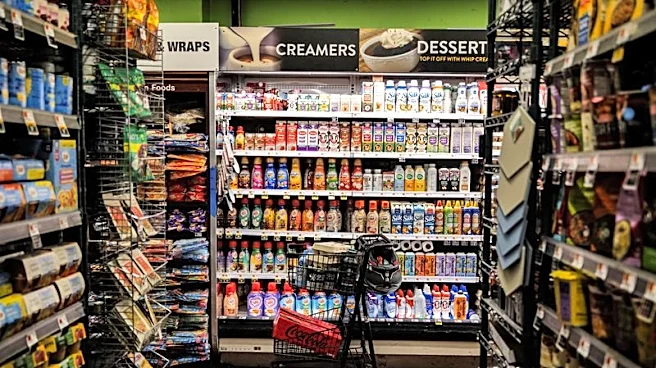
a 0.6% rise in September. Core prices, which exclude volatile food and energy sectors, climbed 0.3% month-over-month and have been running at a 3.7% annualized rate over the last three months. While energy inflation has been somewhat muted due to lower oil and gas prices, price increases are now evident in other categories such as food, home furniture, and personal care products. This shift in inflationary pressures, moving beyond energy and artificial intelligence-related costs, suggests that inflation is becoming more embedded in the economy. Mark Williams, a finance lecturer at Boston University, noted that once inflation is embedded, it becomes extremely difficult to reduce. This situation is fueling debate within the Fed regarding the necessity of a half-point rate hike at their December meeting, a move last seen in 2022.
Why It's Important?
The spreading nature of inflation across various economic sectors poses a significant challenge for the Federal Reserve's monetary policy and has broad implications for U.S. consumers and businesses. If inflation becomes deeply entrenched, it could lead to a sustained erosion of purchasing power for households, making everyday goods and services more expensive. For businesses, rising costs across multiple categories can squeeze profit margins, potentially leading to higher consumer prices or reduced investment. The debate within the Fed over accelerating rate hikes reflects a critical juncture in economic policy. A more aggressive approach, such as a half-point increase, could signal the Fed's strong commitment to curbing inflation, potentially restoring confidence in price stability. However, such a move also carries the risk of increasing borrowing costs more rapidly, which could dampen consumer spending, business investment, and potentially slow economic growth or impact the labor market. The Fed's decision will directly influence the cost of borrowing for mortgages, car loans, and business investments, affecting economic activity nationwide.
What's Next?
The immediate focus will be on the Federal Reserve's December meeting, where officials will decide on the next interest rate adjustment. Fed Governor Christopher Waller has indicated that a 50-basis-point hike should be considered if core prices rose by 0.3% in October, which indeed occurred. Dallas Fed President Lorie Logan has also suggested that at least two more quarter-point increases are necessary, with the possibility of moving more rapidly. Markets and economists had largely anticipated a 0.25% increase in December, but expectations for a more aggressive move are growing. The Fed's decision will be closely watched for signals on the future trajectory of monetary policy. If the Fed opts for a larger hike, it could lead to an immediate increase in borrowing costs across the economy. Conversely, a more gradual approach might be favored by some officials who worry about the impact of aggressive tightening on consumer spending and the labor market. The ongoing inflation data and economic indicators leading up to the December meeting will heavily influence the Fed's final decision and subsequent communications.
Beyond the Headlines
The current inflationary environment highlights a deeper challenge for central banks in navigating an economy increasingly susceptible to supply shocks and shifting price dynamics. The difficulty in pinpointing the exact drivers of inflation, as price gains rotate between categories, suggests that traditional monetary policy tools may face new complexities. This situation raises questions about the long-term effectiveness of interest rate adjustments alone in managing inflation that is not solely demand-driven. Furthermore, the debate within the Fed underscores the delicate balance between maintaining credibility in controlling inflation and avoiding an overly aggressive stance that could trigger an economic downturn. The potential for inflation to become 'embedded' could lead to a shift in public and business expectations, where higher prices become the norm, making it even harder for the Fed to achieve its 2% inflation target. This scenario could necessitate a re-evaluation of monetary policy frameworks in the coming years, potentially leading to new strategies for managing price stability in a more volatile global economic landscape.