

What's Happening?
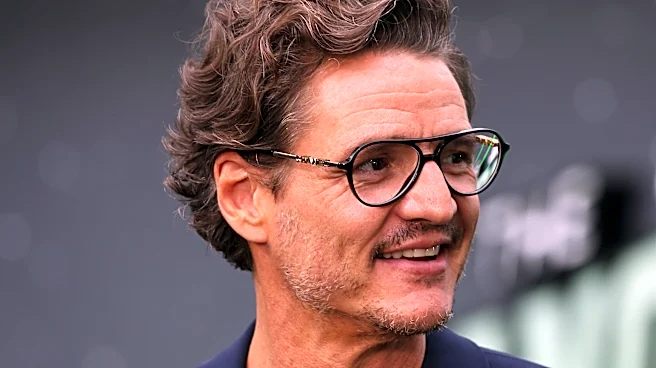
Several celebrities, including Pedro Pascal, have inadvertently become subjects of popular internet memes due to their candid moments captured on camera. Pedro Pascal's casual act of eating a crunchy sandwich during a LADbible interview transformed into
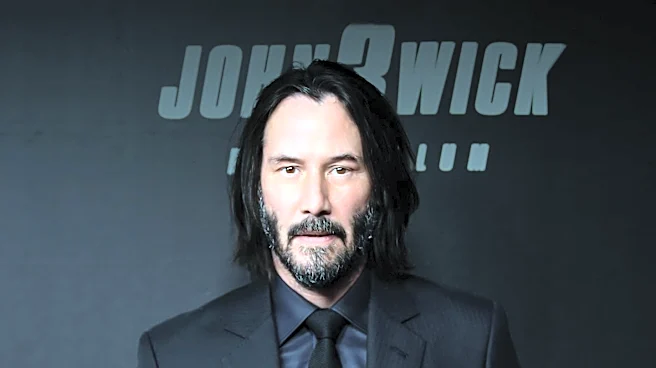
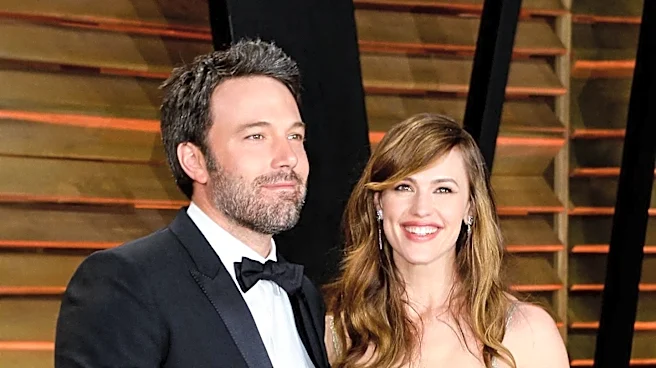
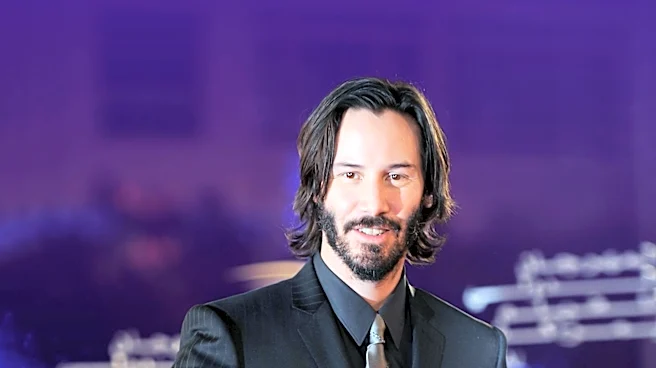
a widely shared meme, with internet users placing him in various unrelated scenarios. This phenomenon extends to other well-known figures such as Ben Affleck, whose exhausted expressions during cigarette breaks have become relatable reaction images, and Keanu Reeves, whose photo eating alone on a park bench led to the 'Sad Keanu' meme. Leonardo DiCaprio's excited pointing in 'Once Upon a Time in Hollywood' also became a popular reaction to recognizing something. These instances highlight how everyday or on-screen moments of celebrities are recontextualized and shared across social media, creating new forms of digital culture.
Why It's Important?
The proliferation of celebrity memes reflects a significant aspect of modern digital communication and popular culture. These memes serve as a form of collective humor and expression, allowing individuals to convey emotions and reactions in a universally understood visual language. For celebrities, becoming a meme can amplify their public presence, sometimes in ways unintended by their publicists or agents. While some memes are harmless and even endearing, others can shape public perception in unforeseen ways. This trend also underscores the power of social media in democratizing content creation and dissemination, where a single image or video clip can achieve viral status and become a lasting cultural reference point. It also demonstrates the public's desire to connect with public figures on a more informal and relatable level.
Beyond the Headlines
The phenomenon of celebrity memes delves into the complex relationship between public figures and their audience in the digital age. It raises questions about privacy, control over one's image, and the evolving nature of fame. While celebrities often cultivate carefully curated public personas, memes emerge from spontaneous or unscripted moments, offering a glimpse into a more 'authentic' side, or at least a perceived one. This can humanize celebrities, making them more relatable to their fans. However, it also means that their images can be used and reinterpreted without their consent, sometimes leading to misrepresentation or trivialization. The rapid spread and adaptability of memes also illustrate the dynamic and often unpredictable nature of internet culture, where meaning is constantly negotiated and reshaped by a global audience.