








What's Happening?
Gucci has experienced a significant decrease in its brand value, falling by 30.7 percent to 8.1 billion dollars, according to the latest 'Best Global Brands' ranking by Interbrand. This decline places the luxury brand at 93rd in the overall global ranking.
Similarly, Prada also saw a decrease in brand value, dropping by 15.1 percent and landing at 96th place. This trend highlights a growing polarization within the international fashion market, where some luxury brands are expanding their desirability and economic strength, while others, including established names like Gucci and Prada, are facing considerable pressure and losses. The Interbrand analysis emphasizes that traditional brand strength and a long design history alone are no longer sufficient to ensure sustained success in the rapidly evolving market.
Why It's Important?
The substantial decline in brand value for luxury giants like Gucci and Prada signals a critical shift in consumer preferences and market dynamics within the U.S. and global fashion industry. This trend suggests that even highly recognized brands must continuously adapt their identity and offerings to remain relevant and generate new demand. For U.S. consumers, this could translate into changes in product availability, marketing strategies, and potentially pricing as these brands strive to regain market share and appeal. For businesses operating in the luxury sector, it underscores the importance of cultural relevance, brand desirability, and compelling customer experiences over relying solely on heritage. The performance of these brands can also influence investment decisions and competitive strategies across the broader retail landscape, impacting suppliers, retailers, and marketing agencies.
What's Next?
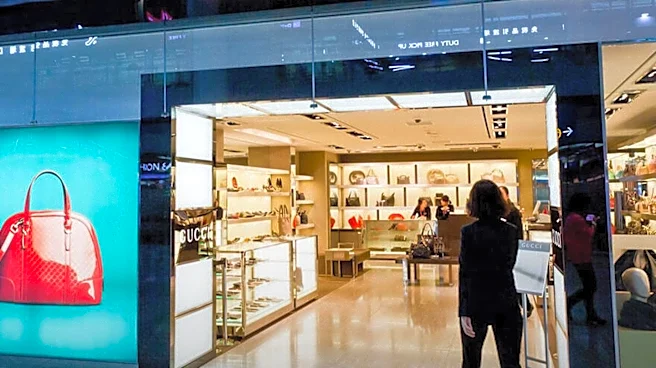
In response to the declining brand value, luxury brands like Gucci are likely to implement strategic changes to re-establish their market position and appeal. This could involve re-evaluating their product ranges, marketing campaigns, and retail experiences. Gucci has already introduced a new store concept, with the first expression of this retail vision opening in its Paris flagship. Such initiatives aim to translate the brand's identity into the present and generate new demand, focusing on cultural relevance and customer engagement. Future developments may include increased investment in innovative design, targeted collaborations, and enhanced digital presence to connect with evolving consumer expectations. The industry will be closely watching whether these strategic shifts can reverse the current trend of declining brand value for these established luxury houses.
Beyond the Headlines
The decline of established luxury brands like Gucci and Prada goes beyond mere financial figures, reflecting deeper shifts in consumer values and the evolving definition of luxury. In an era where authenticity, sustainability, and personalized experiences are increasingly prioritized, brands that fail to convincingly integrate these elements into their identity risk losing relevance. This development challenges the long-held notion that heritage and exclusivity are sufficient for sustained success in the luxury market. It also highlights a broader cultural shift where consumers, particularly younger demographics, are seeking more than just brand recognition; they demand a compelling narrative and a strong connection to a brand's purpose. This could lead to a redefinition of luxury, emphasizing ethical production, innovative design, and a more inclusive approach to fashion, potentially reshaping the entire industry's future trajectory.