



What's Happening?
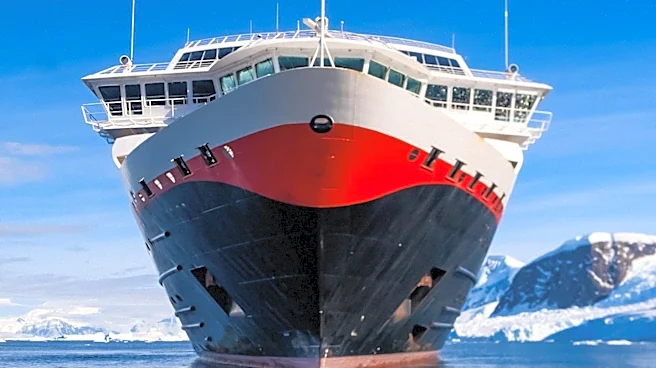
HX Expeditions has announced its 2028/29 season, featuring 26 new voyages across 14 destinations, marking a significant expansion into new regions and itinerary formats. The season, which builds on over 130 years of expedition heritage, includes 57 unique
voyages ranging from six to 25 nights. Key highlights include a new Falkland Islands gateway to Antarctica and South Georgia, making HX the first major cruise company in over a decade to use this route. The expanded Antarctic offering features a 19-day Antarctica & South Georgia voyage aboard MS Roald Amundsen. Additionally, HX is launching its first dedicated Scandinavia program, with MS Spitsbergen sailing the Baltic Sea and Gulf of Bothnia for the first time. This program includes voyages exploring Sweden, Finland, Denmark, and Norway. Other innovations include shorter-format sailings in Alaska and Greenland, designed to cater to different levels of expedition experience and allow for combination with land-based holidays. One of the season's most ambitious itineraries is a 19-day circumnavigation of Baffin Island, emphasizing Inuit culture and history.
Why It's Important?
This extensive expansion by HX Expeditions is important for the U.S. travel market as it provides a wider array of unique and immersive travel opportunities for adventure seekers. The introduction of new gateways to Antarctica, such as the Falkland Islands, offers novel access points to one of the world's most remote and sought-after destinations, potentially attracting a new segment of U.S. travelers interested in polar exploration. The dedicated Scandinavia program and shorter-format sailings in Alaska and Greenland cater to a growing demand for more flexible and diverse expedition options, allowing U.S. travelers to integrate these experiences into longer trips. The emphasis on cultural immersion, particularly with the Baffin Island circumnavigation focusing on Inuit culture, aligns with a broader trend in tourism towards authentic and educational travel experiences. For the U.S. travel industry, these new offerings create fresh avenues for travel advisors to package and sell unique itineraries, potentially boosting bookings and revenue in the expedition cruise sector. The strategic development of these voyages reflects a response to evolving consumer preferences for in-depth exploration and cultural engagement.
What's Next?
The 2028/29 season for HX Expeditions is now on sale, with early booking incentives such as savings on cabins and suites for a limited time. Travel advisors and potential guests in the U.S. will be able to explore the full itineraries and booking information through HX Expeditions' channels. The company will likely focus on marketing these new and expanded offerings, particularly highlighting the unique aspects like the Falkland Islands gateway to Antarctica and the dedicated Scandinavia program. HX Expeditions will also continue to collaborate with Indigenous communities for itineraries like the Baffin Island circumnavigation, ensuring respectful and authentic cultural experiences. The success of these new routes will inform future planning and potential further expansions. The introduction of charter flights from London to Nuuk for Greenland itineraries indicates a strategic effort to streamline travel for international guests, including those from the U.S., making these remote destinations more accessible.
Beyond the Headlines
The expansion of HX Expeditions' offerings reflects a broader trend in the travel industry towards niche and experiential tourism, moving beyond conventional cruises to provide more profound and educational journeys. The focus on remote and environmentally sensitive regions like Antarctica, Greenland, and Baffin Island underscores the growing interest in destinations that offer unique wildlife encounters and cultural insights. This trend also brings increased scrutiny on the environmental impact of tourism in fragile ecosystems, prompting expedition companies to emphasize responsible travel and sustainability. The integration of Indigenous cultures into itineraries, such as the focus on Inuit culture in Baffin Island, highlights a growing recognition of the importance of cultural exchange and supporting local communities. This approach can foster a deeper understanding of global diversity and the challenges faced by remote populations. The development of shorter, more flexible itineraries also suggests a response to changing work patterns and vacation preferences, where travelers may seek intense, shorter adventures rather than extended, traditional holidays.