



What's Happening?
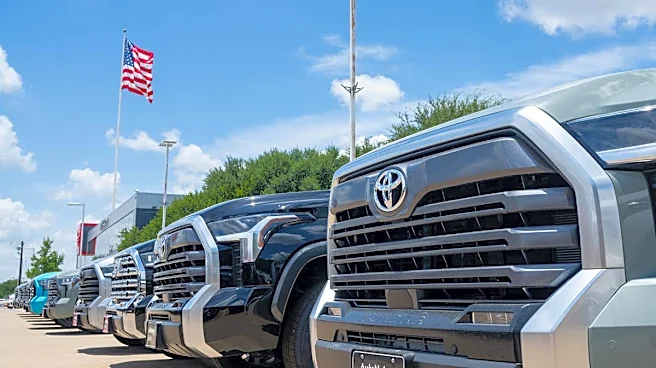
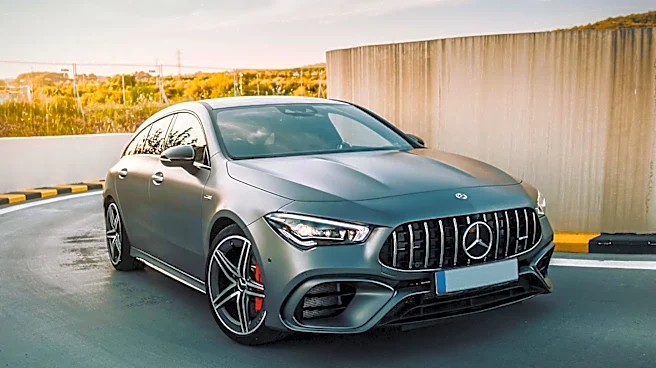
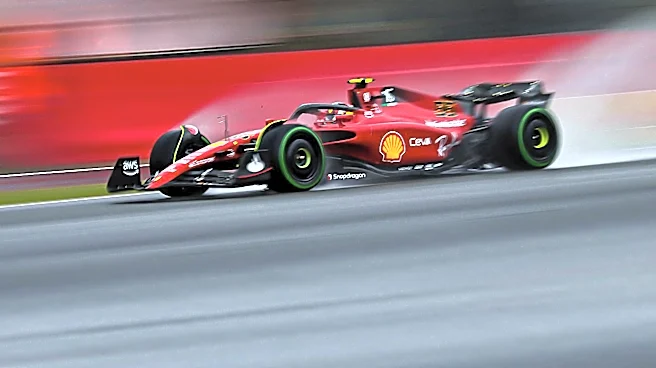
In June, three of the top 150 U.S. auto retailers expanded their operations by acquiring new stores, including Ferrari and Mercedes-Benz dealerships. This activity is part of a broader trend of consolidation in the automotive retail sector, as companies
seek to strengthen their market positions amid changing consumer preferences and economic pressures. The acquisitions reflect a strategic move to capture a larger share of the luxury vehicle market, which remains resilient despite economic uncertainties. The U.S. auto market, while showing signs of resilience, is expected to face challenges in the second half of the year.
Why It's Important?
The acquisition of luxury car dealerships by major retailers highlights the ongoing consolidation in the automotive industry, driven by the need to adapt to evolving market conditions. This trend is significant as it may lead to increased competition among retailers, potentially benefiting consumers through improved services and competitive pricing. Additionally, the focus on luxury brands suggests confidence in the continued demand for high-end vehicles, even as the broader market faces potential downturns. These strategic moves could influence the future landscape of the automotive retail industry.
What's Next?
As the automotive market continues to evolve, further consolidation is likely, with more retailers seeking to expand their portfolios through acquisitions. This could lead to a more competitive environment, prompting retailers to innovate and enhance customer experiences. The impact of these changes on the overall market dynamics will be closely watched by industry analysts and stakeholders.