


What's Happening?
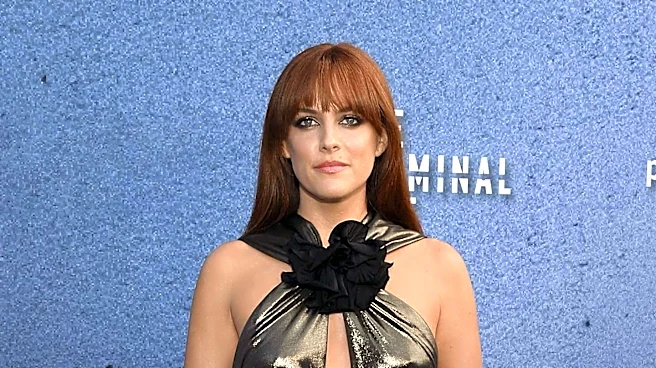
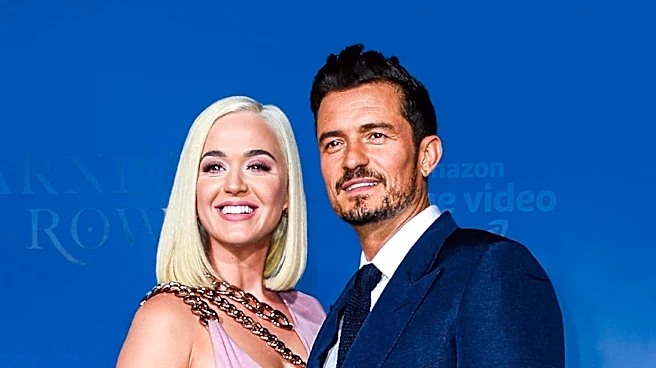
Prime Video has announced additional cast members for its upcoming television series 'Things We Never Got Over,' based on Lucy Score's bestselling novel. Sean Teale will portray Lucian, Sarah Jeffery will play Sloane, Megan Stott is cast as Waylay, Lili
Simmons as Lina, Anthony Keyvan as Stef, and JoBeth Williams as Liza J. These actors join previously announced cast members Molly Griggs, Matthew Noszka, and Tommy Martinez. Griggs will take on the dual roles of twin sisters Naomi and Tina, Noszka will play Knox, and Martinez will portray Nash. The series follows runaway bride Naomi Witt (Griggs) as she arrives in Knockemout, Virginia, expecting to rescue her estranged twin. However, her sister disappears, leaving Naomi with a niece she never knew and entangled with the town's residents, including Sheriff Nash Morgan (Martinez) and his brother Knox Morgan (Noszka). Eric Charmelo and Nicole Snyder are serving as co-showrunners, writers of the pilot, and executive producers, with author Lucy Score also co-executive producing.
Why It's Important?
The adaptation of Lucy Score's bestselling novel 'Things We Never Got Over' into a Prime Video series highlights the significant trend of streaming platforms investing in popular literary works, particularly in the romance genre. This move by Prime Video underscores the growing demand for book-to-screen adaptations, which often come with a built-in fanbase, reducing marketing risks and ensuring initial viewership. For the U.S. entertainment industry, this signifies a continued shift in content creation, where intellectual property from successful authors is highly sought after. The casting of a diverse ensemble, including established and emerging actors, reflects the industry's commitment to broad appeal and representation. The involvement of the author, Lucy Score, as a co-executive producer, suggests a collaborative approach aimed at maintaining fidelity to the source material, which is often crucial for satisfying dedicated readers and attracting new audiences. This strategy can lead to increased production opportunities and further solidify the romance genre's presence in mainstream television.
What's Next?
With the cast now largely in place, the production of 'Things We Never Got Over' will likely move into principal photography. The showrunners, Eric Charmelo and Nicole Snyder, along with co-executive producer Lucy Score, will focus on translating the beloved novel's narrative and character dynamics to the screen. Fans of the book will be eagerly anticipating further announcements regarding release dates, trailers, and promotional materials. The success of this adaptation could pave the way for more of Lucy Score's works to be adapted, given her status as a #1 New York Times bestselling author with over 15 million books sold worldwide. Prime Video will aim to leverage the existing fanbase to drive subscriptions and engagement, potentially expanding the series into multiple seasons if it proves popular. The series' performance will also be closely watched by other streaming platforms and production companies looking to capitalize on the romance genre.
Beyond the Headlines
The adaptation of 'Things We Never Got Over' reflects a broader cultural phenomenon where romance novels, once considered a niche market, are gaining significant mainstream recognition and influence in the entertainment industry. This trend challenges traditional perceptions of genre fiction and highlights the power of dedicated fan communities in driving content demand. The narrative, focusing on themes of family, unexpected connections, and small-town life, resonates with audiences seeking stories of emotional depth and personal transformation. The series' potential success could further legitimize romance as a powerful and profitable genre for television, encouraging more diverse storytelling and character development within the industry. It also underscores the evolving relationship between authors and screenwriters, where direct involvement from the original creator can ensure authenticity and appeal to a loyal readership, fostering a more integrated creative process.