








What's Happening?
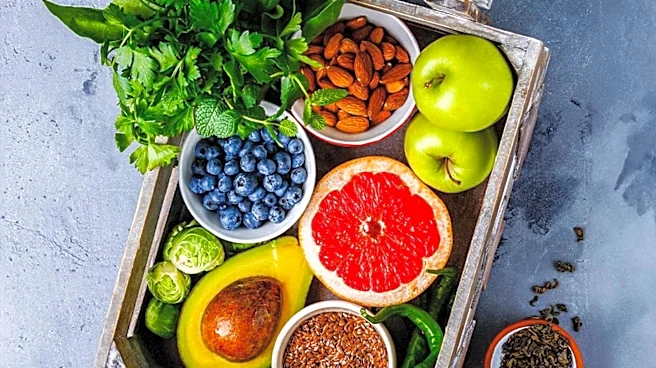
Superfoods are increasingly recognized for their role in preventive healthcare and nutrition, with a focus on their nutrient-rich profiles. These foods, which include items like turmeric, amla, moringa, millets, berries, and walnuts, are packed with vitamins,
minerals, antioxidants, fiber, and bioactive compounds. The concept emphasizes supporting health through balanced nutrition before the onset of illness, rather than acting as a cure. Research highlights the presence of beneficial compounds such as polyphenols, flavonoids, and anthocyanins in these foods, which are associated with protection against oxidative stress and support for normal metabolic functions. Traditional Indian foods, such as turmeric and millets, are gaining renewed attention for their nutritional value and historical use in diets. The Mayo Clinic also promotes a superfoods diet plan centered on nutrient-dense choices like berries and leafy greens, further underscoring the growing emphasis on these foods for health maintenance.
Why It's Important?
The growing interest in superfoods signifies a broader shift towards proactive health management and nutritional awareness in the U.S. and globally. This trend impacts the food industry, agricultural practices, and public health initiatives. Consumers are increasingly seeking out foods that offer specific health benefits, driving demand for nutrient-dense options. This creates opportunities for food manufacturers to innovate and for agricultural sectors to focus on cultivating these crops. From a public health perspective, promoting superfoods can contribute to healthier eating patterns, potentially reducing the incidence of lifestyle-related diseases. The emphasis on whole foods over supplements also encourages a more holistic approach to diet. Furthermore, the scientific exploration of these foods fosters interdisciplinary research in nutrition, food science, and healthcare, influencing dietary guidelines and personalized nutrition strategies.
What's Next?
The trajectory for superfoods points towards continued integration into mainstream dietary recommendations and product development. Expect further scientific research to validate the specific health claims associated with various superfoods, leading to more targeted nutritional advice. The food industry will likely expand its offerings of superfood-infused products, catering to health-conscious consumers. There may also be increased focus on sustainable sourcing and cultivation of these nutrient-rich crops, impacting agricultural policies and practices. Educational campaigns promoting the benefits of incorporating superfoods into daily diets are also probable, aiming to improve public health outcomes. Additionally, the intersection of traditional food wisdom with modern scientific understanding will likely drive innovation in nutraceuticals and functional foods.
Beyond the Headlines
Beyond their immediate nutritional benefits, the rise of superfoods reflects deeper cultural and economic shifts. There's a growing consumer desire for natural, less processed foods and a skepticism towards synthetic alternatives. This trend also highlights the globalization of dietary practices, as traditional foods from various cultures, like Indian and Japanese superfoods, gain international recognition. Ethically, the increased demand for certain superfoods could raise concerns about sustainable farming practices, fair trade, and potential monoculture issues if not managed responsibly. Legally, the regulation of health claims for superfoods and nutraceuticals will continue to evolve, requiring clear scientific evidence. Culturally, it signifies a return to valuing food as medicine and a greater appreciation for diverse culinary traditions as sources of health and wellness.