



What's Happening?
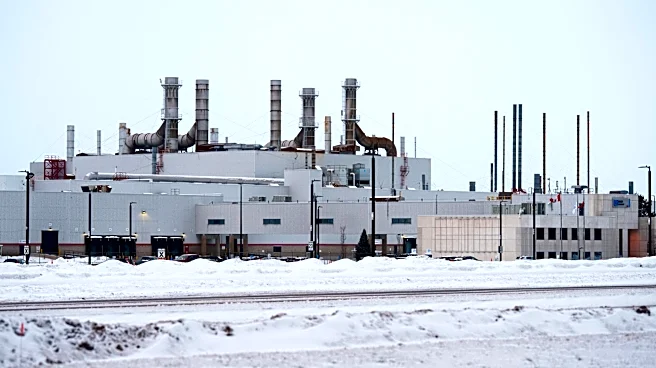
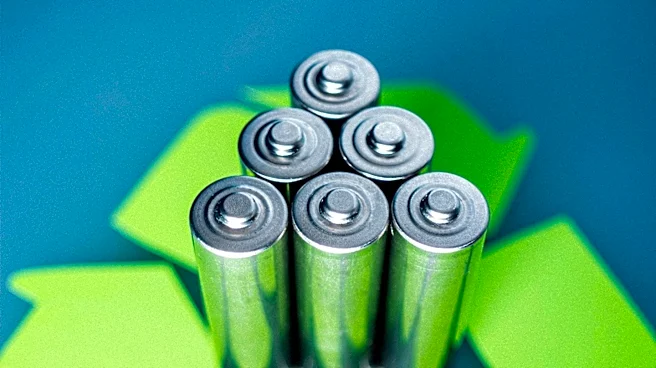
LG Energy Solution has commenced production at its new battery manufacturing facility in Lansing, Michigan. The plant, which has received over $2 billion in investment since 2022, is designed to achieve an annual production capacity of more than 35 gigawatt-hours.
It will produce lithium iron phosphate (LFP) cells for energy storage applications and higher-energy-density nickel-manganese-cobalt (NMC) cells for electric vehicles. The LFP cells will be integrated into utility-scale and commercial storage systems by LG Energy Solution Vertech, with Michigan utility DTE Energy among the customers. On the automotive side, the Lansing plant will manufacture NMC cells for Toyota, including batteries for the 2027 Toyota Highlander EV. The company expects to increase employment from approximately 900 to 1,700 workers at full production. This facility is part of LG Energy Solution's broader strategy to expand its North American supply base, with plans to have over 50 GWh of LFP battery cell capacity in North America by the end of 2026.
Why It's Important?
This development is crucial for bolstering the U.S. domestic supply chain for both energy storage systems and electric vehicle batteries. By localizing production, LG Energy Solution helps customers meet domestic-content requirements tied to U.S. clean-energy incentives, fostering greater energy independence and economic growth within the country. The increased production of LFP cells addresses the rising U.S. electricity demand, driven by data centers, manufacturing, and broader electrification, by providing essential grid-scale storage solutions. This helps utilities balance electricity supply and consumption, enhancing grid stability and reliability. Furthermore, the manufacturing of NMC cells for electric vehicles like the Toyota Highlander EV supports the growing U.S. EV market, contributing to the transition to cleaner transportation and creating skilled manufacturing jobs in Michigan. The investment signifies a strategic shift towards North America as a key hub for battery production, reducing reliance on foreign supply chains and strengthening the U.S. position in the global battery market.
What's Next?
LG Energy Solution plans to further expand its North American production capacity, aiming for more than 50 GWh of LFP battery cell capacity across wholly owned and joint-venture plants in the U.S. and Canada by the end of 2026. This expansion will solidify its presence in the North American energy storage market, with approximately 80% of its global ESS production capacity expected to be located in the region. The company will continue to integrate its LFP cells into utility-scale and commercial storage systems, with DTE Energy being an early customer. On the automotive front, the Lansing plant will supply NMC cells for Toyota, supporting the production of future EV models like the 2027 Toyota Highlander EV. The facility's workforce is projected to grow to 1,700 employees, indicating continued job creation and economic impact in Michigan. The company will also explore further collaborations and partnerships to leverage its localized production capabilities and meet the evolving demands of the U.S. clean energy and automotive sectors.
Beyond the Headlines
The establishment of this large-scale battery plant in Michigan reflects a broader trend of reshoring critical manufacturing capabilities to the U.S., driven by national security concerns, economic incentives, and the desire to reduce geopolitical dependencies. This move not only strengthens the U.S. industrial base but also contributes to the nation's climate goals by facilitating the deployment of renewable energy and electric vehicles. The shift in ownership of the Lansing site, originally a joint venture with General Motors, highlights the dynamic nature of strategic partnerships in the rapidly evolving battery industry. The emphasis on local production also has significant implications for regional economies, fostering job growth and technological advancement in states like Michigan. This investment underscores the increasing recognition of batteries as a critical component of modern infrastructure, impacting everything from grid stability to national defense, and signals a long-term commitment to building a robust domestic battery ecosystem.