



What's Happening?
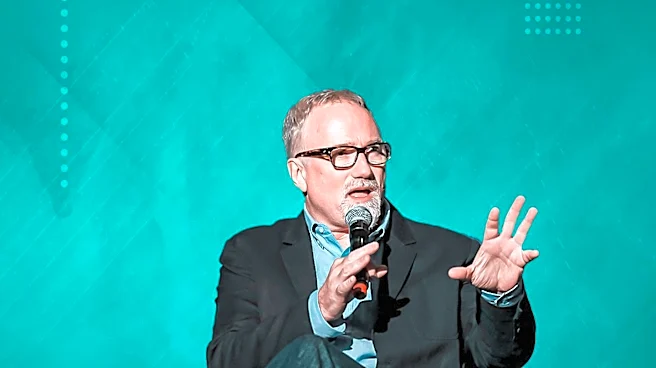
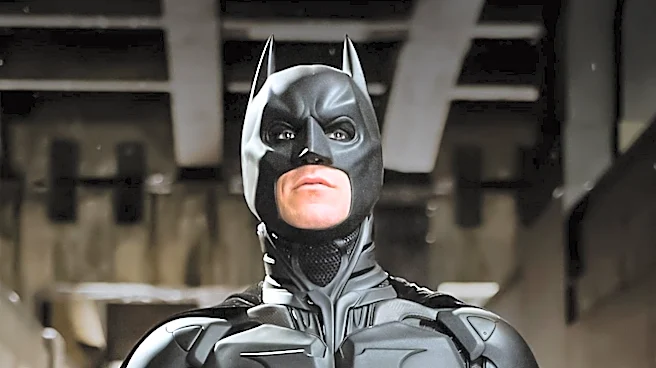
Filmmaker David Fincher recently disclosed that Warner Bros. approached him in the 1990s to direct a 'Batman' movie. Fincher's pitch for the Caped Crusader was ultimately rejected by the studio. He envisioned a significantly darker and more sinister portrayal
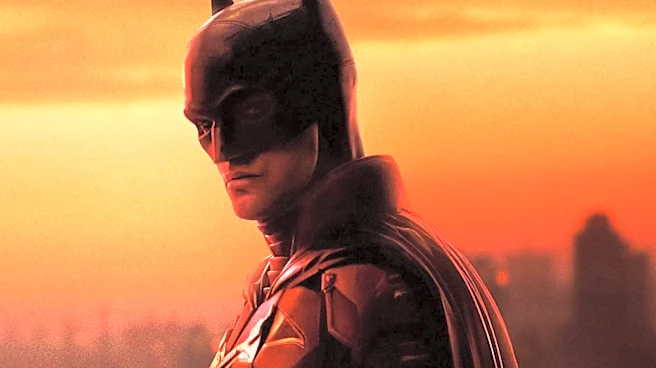
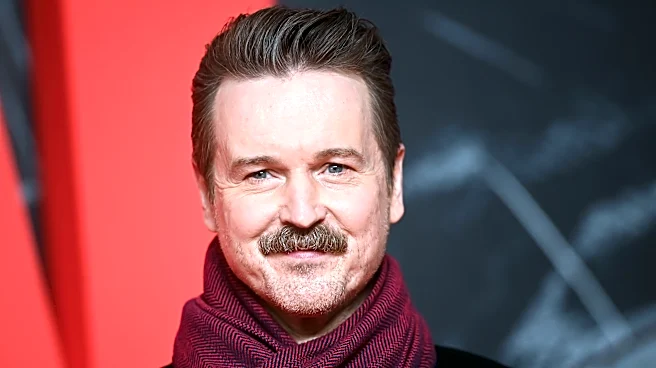
of Gotham City and its iconic hero than what Warner Bros. was apparently seeking at the time. Interestingly, Fincher noted that director Matt Reeves' current approach to the Batman character, as seen in recent films, closely aligns with the dark and gritty vision he had proposed decades earlier. This revelation sheds light on the long-standing creative discussions and differing artistic directions considered for the Batman franchise over the years. The studio's decision to pass on Fincher's concept in the 1990s indicates a preference for a different tone for the character at that point in time, contrasting with the more mature and intense interpretations that have gained traction in contemporary superhero cinema.
Why It's Important?
This disclosure is significant for understanding the evolution of superhero cinema and studio decision-making. It highlights how creative visions, even from acclaimed directors like Fincher, can be ahead of their time or misaligned with studio priorities. Warner Bros.' rejection of a darker Batman in the 1990s suggests a more conservative approach to the character, possibly influenced by the success of earlier, more campy or broadly appealing iterations. The fact that Matt Reeves' current Batman films echo Fincher's earlier vision indicates a shift in audience taste and studio willingness to explore more complex and grim narratives within the superhero genre. This historical context underscores the dynamic nature of Hollywood's creative landscape and how perceptions of popular characters can change over decades, influencing casting, directorial choices, and overall film tone. It also raises questions about missed opportunities for certain creative talents to shape major franchises earlier in their development.
What's Next?
While Fincher's past pitch was rejected, the current success of Matt Reeves' darker Batman universe suggests that Warner Bros. has embraced a more mature and gritty direction for the character. This trend is likely to continue, influencing future iterations of Batman films and potentially other DC Comics adaptations. The studio may continue to seek out directors who can deliver complex, character-driven narratives within the superhero genre, aligning with the preferences of a segment of the modern audience. This could lead to more auteur-driven superhero projects, where directors are given greater creative freedom to explore darker themes and more nuanced character portrayals. The revelation might also spark renewed interest in Fincher's unmade projects or encourage studios to revisit past pitches that were once deemed too unconventional.
Beyond the Headlines
Fincher's revelation touches upon the broader tension between artistic vision and commercial viability in Hollywood. Studios often balance a director's unique perspective with the perceived marketability and audience expectations for a major franchise. In the 1990s, a darker Batman might have been seen as too niche or risky for a mainstream blockbuster. However, the success of films like 'The Dark Knight' trilogy and Reeves' 'The Batman' demonstrates a growing appetite for more serious and psychologically complex superhero stories. This shift reflects a maturation of the genre, moving beyond simple good-versus-evil narratives to explore deeper societal issues and character flaws. It also highlights how cultural tastes evolve, making once-radical ideas mainstream. The story serves as a reminder that creative ideas often need the right cultural moment to be fully realized and accepted by both studios and audiences.