







What's Happening?
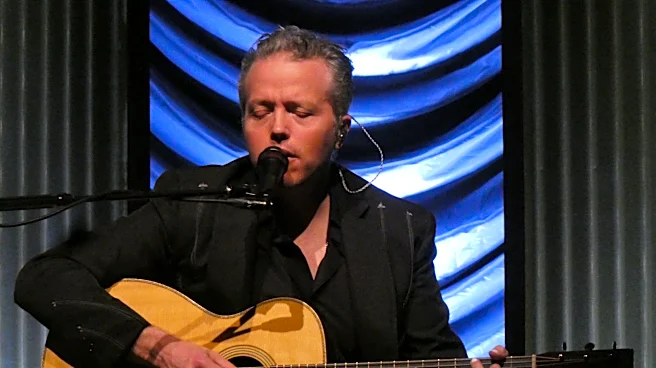
A group of U.S.-based musicians, including Jason Isbell, David Lowery, Guy Forsyth, and Eduardo Calle, have filed a lawsuit against the AI music firm Suno. The lawsuit alleges that Suno has developed and trained a model to index musicians by name, enabling
the generation of songs that mimic their unique musical styles in response to prompts using those names. Unlike previous lawsuits against AI firms focusing on copyright infringement of recordings or compositions, this legal action centers on musical identity and biometric privacy. The plaintiffs claim that Suno captures and stores 'voiceprints' of human artists, encompassing elements like pitch, timbre, and breath dynamics. The lawsuit draws a comparison between Suno's operations and the Borg from Star Trek, suggesting that the AI consumes and repurposes artistic autonomy. The musicians also highlight alleged workarounds within Suno's system, where slightly altered names (e.g., 'm i c h a e l j a c k s o n') still produce style-specific songs, and point to marketing activities by YouTubers promoting methods to bypass name filters.
Why It's Important?
This lawsuit represents a significant development in the ongoing legal and ethical debate surrounding artificial intelligence in creative industries. By focusing on musical identity and biometric privacy rather than traditional copyright, it challenges the fundamental ways AI models are trained and how they utilize artists' unique characteristics. If successful, this case could establish new legal precedents for protecting an artist's 'voiceprint' and stylistic identity, potentially requiring AI firms to license these aspects in addition to copyrighted works. This could have profound implications for the music industry, forcing AI developers to re-evaluate their training methodologies and compensation models for artists. It also highlights the growing tension between technological innovation and the rights of creators, particularly as AI becomes more sophisticated in replicating human artistry. The involvement of figures like David Lowery, known for his previous successful class action against Spotify, suggests a determined effort to hold tech companies accountable for their impact on artists' livelihoods and intellectual property.
What's Next?
The lawsuit will proceed through the legal system, with Suno likely to present its defense against the claims of identity and voiceprint infringement. The outcome could lead to a landmark ruling that defines the scope of artistic rights in the age of AI. This case may also influence ongoing discussions and potential legislative efforts regarding AI regulation and intellectual property. Other musicians and industry stakeholders will be closely watching the proceedings, as a favorable ruling for the plaintiffs could encourage similar lawsuits and prompt a broader shift in how AI music generation platforms operate. Furthermore, the legal battle could accelerate the development of licensing frameworks specifically designed to address the use of artists' identities and biometric data by AI, potentially leading to new revenue streams or protective measures for creators.
Beyond the Headlines
The lawsuit delves into the deeper philosophical and ethical questions surrounding the nature of artistic creation and identity in the digital age. It raises concerns about the commodification of an artist's unique style and voice, which are often seen as intrinsic to their personhood and creative output. The concept of a 'voiceprint' as a protected biometric identifier could extend beyond music to other creative fields, impacting actors, voice artists, and even writers whose stylistic patterns could be replicated by AI. This case also underscores the challenge of distinguishing between inspiration and imitation when AI is involved, particularly when models are trained on vast datasets of existing human work. The legal battle could force a re-evaluation of what constitutes originality and ownership in an era where AI can generate new content that closely mirrors established artistic identities, potentially blurring the lines between human and artificial creativity and raising questions about the future of human artistry.