







What's Happening?
American Foods Group (AFG) has developed an efficient private fleet operation, America's Service Line (ASL), through a focus on strong leadership and teamwork. According to Willert, a critical first step was assessing the existing team and identifying
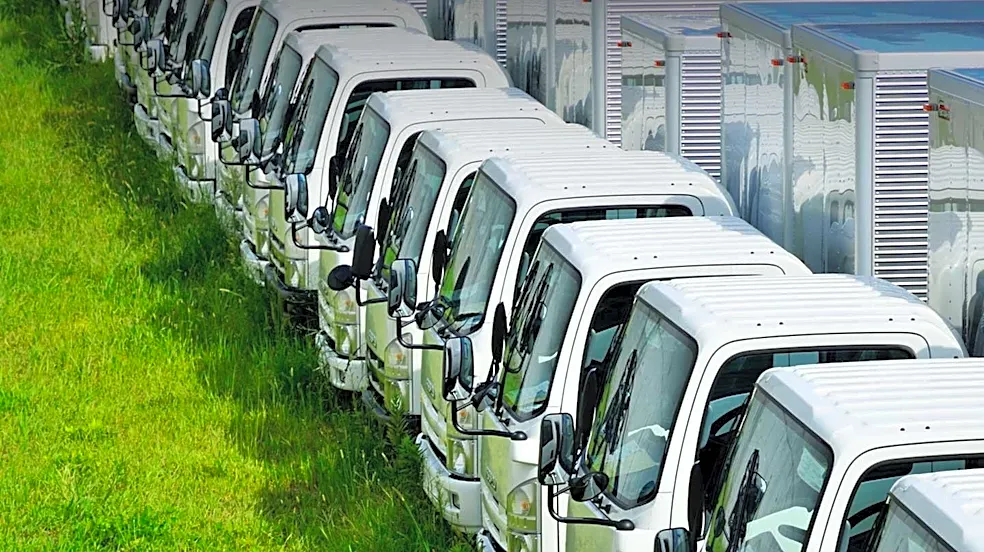
missing elements, followed by empowering the right individuals with authority and autonomy. Centralizing transportation, previously handled by individual plants, was a priority that improved the fleet's effectiveness and efficiency. AFG's private fleet comprises over 250 tractors and 500 refrigerated trailers, operating for 30 years and handling approximately 50% of the company's transportation needs across six Midwest processing plants. The remaining 50% is managed through long-standing partnerships with smaller to midsize carriers.
Why It's Important?
AFG's approach to its private fleet highlights a successful model for managing complex supply chain logistics in the U.S. food industry. By prioritizing internal talent development and strategic centralization, AFG has achieved operational efficiency and cost-effectiveness, with its private fleet operating as a profit center. The company's low annual turnover, well below industry standards, underscores the success of its people-centric philosophy and commitment to employee success. This model demonstrates how strong leadership and a focus on teamwork can lead to significant competitive advantages, ensuring reliable delivery of goods and maintaining high customer service standards even in challenging market conditions. It also showcases the importance of balancing internal capabilities with external partnerships for optimal supply chain resilience.
What's Next?
AFG will likely continue to refine its hybrid transportation model, balancing its private fleet's capacity with carrier partnerships to adapt to market fluctuations and growth. The company's emphasis on attracting and retaining adaptable team members suggests ongoing investment in human capital and training. As the food industry faces evolving consumer demands and supply chain pressures, AFG's established framework for efficient logistics will be crucial for maintaining its competitive edge. The success of its private fleet could also serve as a case study for other companies looking to optimize their transportation operations and foster a strong internal culture.
Beyond the Headlines
AFG's success story in fleet management extends beyond mere logistics; it reflects a deeper organizational philosophy that values its workforce and strategic planning. The shift from an owner-operator dominant model to one where three-fourths of drivers are employees indicates a commitment to stability and direct control over service quality. This approach fosters a sense of ownership and loyalty among drivers, which is critical in an industry often plagued by high turnover. Furthermore, the company's ability to operate its private fleet as a profit center challenges the traditional view of transportation as solely a cost center, demonstrating innovative financial management within the supply chain. This holistic strategy contributes to overall business resilience and long-term sustainability.