






What's Happening?
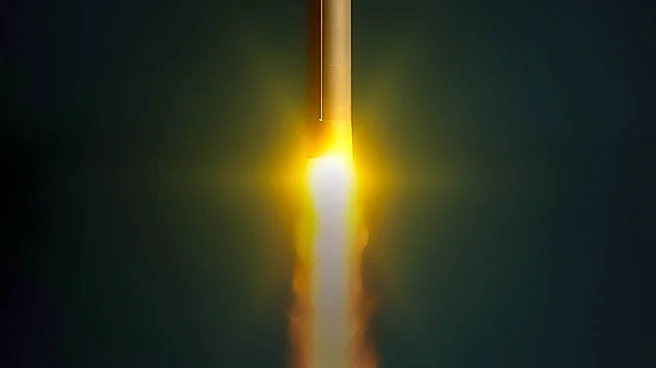
Lockheed Martin has introduced its new Patriot Advanced Capability-3 Adapted Capability Effector (PAC-3 ACE) at the Farnborough International Airshow 2026. This interceptor is part of the Patriot air defense system and features a blast fragmentation warhead,
which is a cost-effective alternative to the previous hit-to-kill warhead used in the PAC-3 Missile Segment Enhancement (MSE) interceptor. The PAC-3 ACE is designed to counter airbreathing and cruise missiles, as well as short-range ballistic missiles. Key modifications to reduce costs include a simplified seeker mode, removal of attitude control motors, and a single-pulse solid rocket motor. These changes aim to make the PAC-3 ACE less than half the cost of the MSE interceptor. Lockheed Martin continues to use the PAC-3 software within the MSE for the ACE, and the warhead is expected to be supplied by third-party vendors.
Why It's Important?
The introduction of the PAC-3 ACE represents a significant advancement in missile defense technology, offering a more affordable solution for military forces. By reducing the cost of the interceptor, Lockheed Martin is making advanced defense capabilities more accessible, which could lead to broader adoption by U.S. and allied forces. This development is crucial in maintaining strategic defense capabilities against evolving threats such as cruise and ballistic missiles. The cost reduction measures could also influence future defense procurement strategies, emphasizing the importance of affordability in military technology. Additionally, the PAC-3 ACE's design improvements may set a precedent for future innovations in missile defense systems.
What's Next?
Lockheed Martin is likely to continue refining the PAC-3 ACE's design and production processes to further enhance its cost-effectiveness and performance. The company may also seek additional partnerships with third-party suppliers to optimize the interceptor's components. As the PAC-3 ACE enters the market, it could prompt responses from competitors in the defense industry, potentially leading to further innovations and cost reductions in missile defense technology. Military forces that adopt the PAC-3 ACE will need to integrate it into their existing defense systems, which may involve training and logistical adjustments.