






What's Happening?
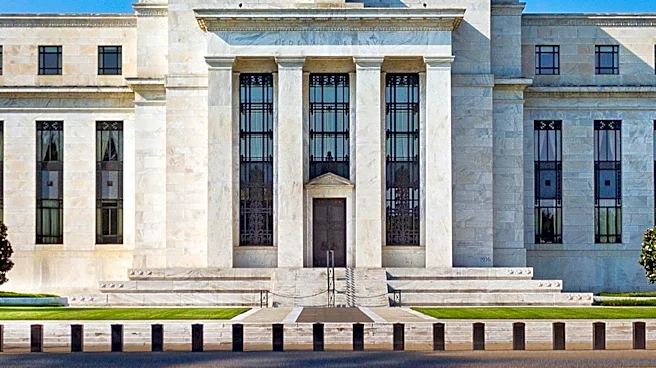
US Federal Reserve Vice Chair Philip N Jefferson stated that inflation will be the primary factor guiding future interest rate decisions, despite signs of stability in the American economy and labor market. Speaking at the University of California, San
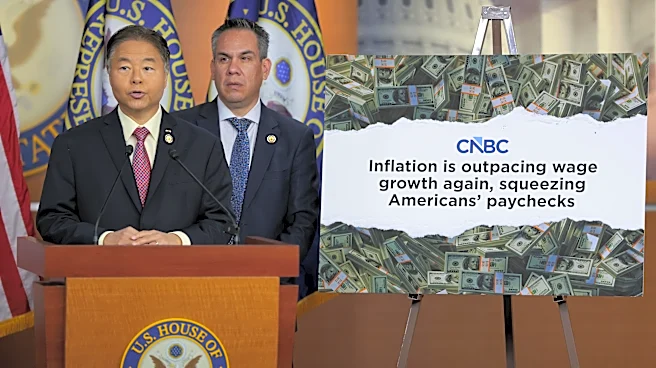
Diego Economic Roundtable, Jefferson highlighted that the trajectory of inflation provides the most crucial signal for determining monetary policy. According to data cited in his speech, the annual personal consumption expenditures (PCE) inflation rate was 3.6% in September, with core PCE inflation, which excludes food and energy prices, at 3.1%. Both figures remain above the Federal Reserve’s 2% target. Jefferson expressed concern that higher energy prices could lead to a broader, persistent rise in inflation, noting their impact on sectors like airfares and transportation, and strong demand for new technologies pushing up prices for goods such as memory chips. Inflation data for October also indicated persistent price pressures above the Fed's target. The labor market has stabilized, with the unemployment rate at 4.1% in October, a level Jefferson considers consistent with maximum employment. The US economy has also gained momentum, with GDP expanding at an annualized rate of 3.4% in the third quarter.
Why It's Important?
Jefferson's remarks underscore the Federal Reserve's unwavering focus on combating inflation, signaling that economic growth and employment stability, while positive, will not overshadow the need to bring price pressures under control. This stance suggests that businesses and consumers should anticipate continued vigilance from the Fed regarding monetary policy, with potential implications for borrowing costs and investment decisions. The persistence of inflation above the 2% target, particularly with concerns about rising energy prices and demand for new technologies, indicates that the Fed may need to maintain a restrictive policy stance for longer than some might expect. This could affect various sectors, from manufacturing reliant on memory chips to transportation and travel industries facing higher energy costs. For the broader economy, sustained higher interest rates could temper economic expansion, impacting corporate earnings and consumer spending. The balance between managing inflation and supporting economic growth remains a critical challenge for the Fed, with its decisions directly influencing the financial landscape for all stakeholders.
What's Next?
Future policy adjustments by the Federal Reserve will be determined by a careful examination of data trends, the evolving economic outlook, and the balance of risks. Jefferson's comments suggest that the Fed will continue to monitor inflation data closely, with upcoming reports being critical for December's rate decision. The Federal Open Market Committee (FOMC) recently voted to keep interest rates unchanged, a decision Jefferson supported. However, if inflation remains elevated or shows signs of accelerating, the Fed could consider further rate hikes. The upcoming PCE inflation report, due on November 25, will be a significant data point influencing the Fed's December 9 policy meeting. A 'hot' PCE print could strengthen the case for a larger interest rate increase, while a 'soft' one might favor a smaller adjustment. Market expectations are already shifting, with some anticipating a longer tightening cycle, potentially involving multiple quarter-point increases through mid-2027. Businesses and investors will be closely watching these developments for signals on the future direction of monetary policy.
Beyond the Headlines
The Federal Reserve's emphasis on inflation as the primary driver for monetary policy decisions highlights a broader shift in economic priorities. While employment and economic growth are important, the current focus on price stability reflects lessons learned from past inflationary periods. The challenge lies in navigating a complex economic environment where some sectors experience strong demand and rising costs, while others might be more sensitive to higher interest rates. The impact of technological advancements, such as the demand for memory chips, on inflation also points to the evolving nature of price pressures, moving beyond traditional factors like energy and food. This situation could lead to a more nuanced approach to monetary policy, where the Fed must consider sector-specific inflationary pressures alongside broader economic indicators. The long-term implications could include a re-evaluation of supply chain resilience and domestic production capabilities to mitigate the impact of global price shocks and technological demand on inflation.