



What's Happening?
The funeral industry is experiencing significant changes as cremation becomes the most popular method of disposition, overshadowing traditional open-casket funerals. The National Funeral Directors Association recently held a Restorative Art Technical
Showcase, highlighting the skills of morticians in restoring bodies. However, the industry faces challenges from consolidation and private equity, which have devalued traditional practices. The COVID-19 pandemic has also shifted public attitudes towards more private expressions of grief, further impacting the demand for traditional funeral services.
Why It's Important?
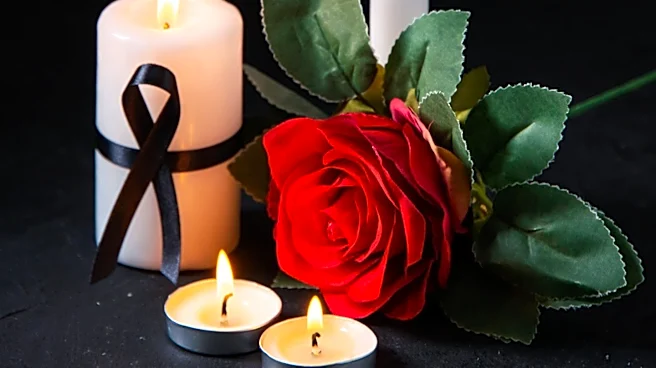
The shift in funeral practices reflects broader societal changes in how death and mourning are approached. The decline in demand for traditional funerals could have economic implications for the industry, affecting jobs and the viability of funeral homes. Additionally, the rise of cremation and alternative burial methods highlights changing cultural attitudes towards death and the environment. These trends may influence future regulations and business models within the industry, as well as societal norms around mourning and memorialization.
Beyond the Headlines
The evolving funeral industry raises ethical and cultural questions about how societies honor the deceased. The tension between traditional practices and modern preferences reflects broader debates about sustainability, consumer choice, and the commercialization of death. As the industry adapts, there may be opportunities for innovation in funeral services, including eco-friendly options and personalized memorials. The role of technology in facilitating remote participation in funerals and memorials could also become more prominent.