




What's Happening?
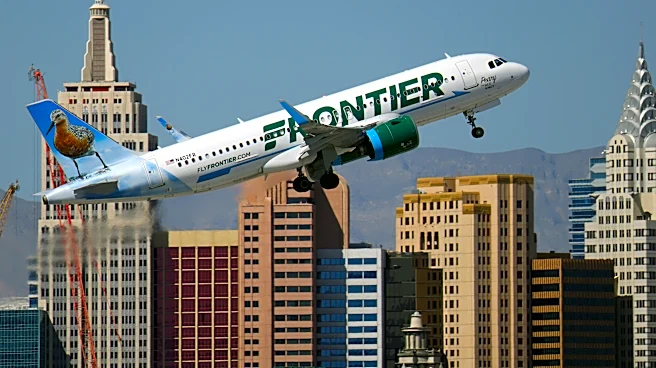
Frontier Airlines is offering a 'Business Bundle' as its most premium fare option, which includes a carry-on bag, two checked bags (up to 50 pounds each), a premium seat with extra legroom, Group 1 boarding, and an UpFront Plus seat at the front of the plane
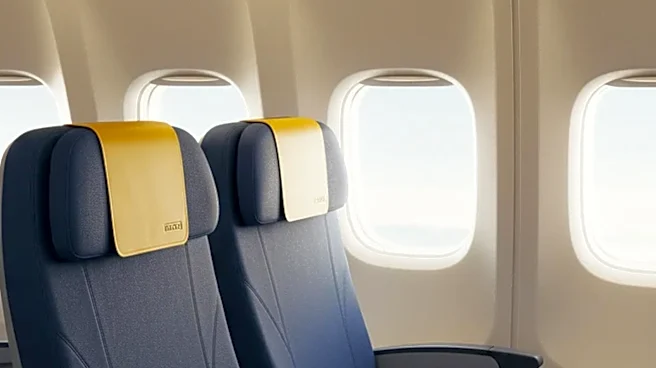
with a guaranteed empty middle seat or a larger 2-2 seat configuration. This bundle aims to provide a more comfortable and convenient travel experience compared to its basic fare. The Business Bundle can be purchased with cash or Frontier Miles, starting from 13,000 miles for award flights. In contrast, the basic fare, which only includes a personal item, starts from 5,000 miles plus taxes and fees. The airline also offers an Economy Bundle and a Premium Bundle, providing intermediate levels of perks. While the Business Bundle offers significant amenities, it does not include complimentary food or drinks, maintaining its low-cost carrier model in that aspect.
Why It's Important?
This move by Frontier Airlines is important as it reflects a growing trend among low-cost carriers to offer tiered service options, blurring the lines between budget and premium travel. For consumers, it means more choices, but also the need to carefully evaluate the value proposition. Travelers who prioritize comfort, extra baggage allowance, and early boarding might find the Business Bundle appealing, despite the higher cost in miles or cash. However, those focused solely on the lowest possible price might stick with the basic fare. The introduction of such bundles could also influence competitive strategies among other airlines, potentially leading to similar offerings or adjustments in their own fare structures. The success of these bundles will depend on how well they meet customer expectations for a 'premium' experience within a low-cost framework, particularly given the absence of complimentary in-flight services.
What's Next?
Frontier Airlines will likely continue to monitor the adoption and customer satisfaction of its Business Bundle and other tiered fare options. The airline's plan to introduce new 2-2 first-class seats, which were not yet in service at the time of the reported flights, suggests a further commitment to enhancing its premium offerings. Future developments could include adjustments to the bundle's inclusions, pricing, or the introduction of additional perks based on market demand and competitive pressures. Travelers can expect to see ongoing efforts by Frontier to balance its low-cost model with the desire to attract passengers seeking more amenities. The airline's strategy will also be influenced by how other budget carriers respond to this evolving market segment.
Beyond the Headlines
The strategy of offering premium bundles by low-cost carriers like Frontier Airlines highlights a broader shift in the airline industry. It challenges the traditional dichotomy between full-service and budget airlines, suggesting a convergence where carriers attempt to capture a wider range of passenger preferences. This approach could lead to increased revenue for airlines by upselling services, but it also risks confusing consumers or diluting the core value proposition of low-cost travel. Ethically, it raises questions about transparency in pricing and whether the 'premium' experience truly justifies the additional cost, especially when basic amenities like complimentary food and drinks are still excluded. Culturally, it reflects a consumer desire for customization and choice, even within budget constraints, pushing airlines to innovate their service models.