



What's Happening?
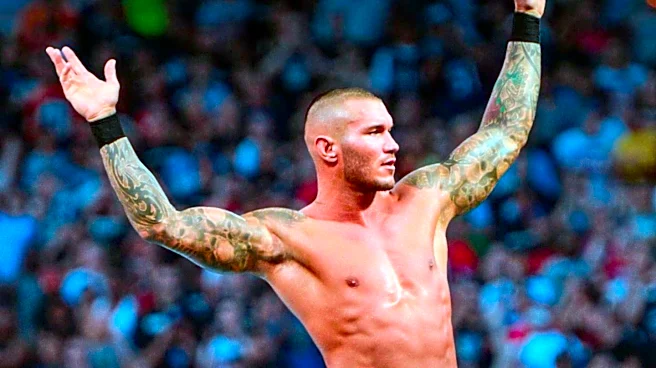
MJF, a three-time AEW World Champion, has been cited as a significant influence on current generation wrestling heels, according to a discussion surrounding Randy Orton's case for the Wrestling Observer Newsletter Hall of Fame (WON HOF). The article details
Orton's career, emphasizing his drawing power, in-ring work, and historical significance. It notes that while Orton has yet to be inducted into the WON HOF, his impact on wrestlers like MJF and Jay White underscores his lasting legacy. MJF is specifically mentioned as arguably AEW's best heel, having drawn inspiration from Orton's style and character work. The criteria for WON HOF induction include drawing power, in-ring performance, and historical significance, with longevity being a prime consideration. Orton's consistent presence at the top of WWE for over two decades, headlining numerous pay-per-views and maintaining relevance through various eras, forms the core of his argument for induction. His ability to remain a popular main eventer and draw strong crowd reactions, even from non-American audiences, is also highlighted.
Why It's Important?
The recognition of MJF as a prominent figure influenced by Randy Orton underscores a generational shift and continuity in professional wrestling. It highlights how established veterans like Orton continue to shape the styles and personas of emerging stars in major promotions like AEW. This influence is crucial for the evolution of wrestling, as it ensures that effective storytelling and character development techniques are passed down, maintaining the sport's appeal. For the U.S. wrestling industry, this signifies the importance of veteran talent in mentoring and inspiring new generations, contributing to the overall quality and diversity of wrestling styles. The discussion also implicitly validates AEW's talent pool, showcasing that its top performers are recognized by industry veterans and critics for their impactful work. Furthermore, it emphasizes the subjective yet critical role of 'heel' characters in wrestling, demonstrating how a well-executed villain can drive narratives and engage audiences, a skill that MJF has mastered, partly due to influences like Orton.
What's Next?
The ongoing debate regarding Randy Orton's induction into the Wrestling Observer Newsletter Hall of Fame will continue, with his influence on contemporary wrestlers like MJF serving as a compelling point in his favor. Voters will weigh Orton's extensive career, drawing power, and in-ring contributions against the established criteria. The continued success and public acknowledgment from wrestlers like MJF could further bolster Orton's case, potentially swaying future votes. For MJF and other wrestlers who cite Orton as an influence, this recognition solidifies their place within the lineage of impactful wrestling performers. Their continued performance and adherence to the principles of character work and in-ring psychology, as exemplified by Orton, will likely contribute to their own legacies in the sport. The wrestling community will closely watch the outcomes of future WON HOF ballots, as they reflect evolving perceptions of historical significance and influence within the industry.
Beyond the Headlines
The acknowledgment of Randy Orton's influence on MJF delves into the deeper, often unstated, mechanisms of knowledge transfer and artistic development within professional wrestling. It highlights how the craft of being a compelling 'heel' is not merely innate but is cultivated through observation, emulation, and adaptation of successful predecessors. This dynamic speaks to the cultural and artistic continuity within wrestling, where specific archetypes and performance techniques are refined and reinterpreted across generations. The ethical dimension arises in how these influences are recognized and attributed, fostering a sense of lineage and respect within the industry. Moreover, it subtly points to the psychological depth required for effective character work in wrestling, where performers like Orton and MJF must understand and manipulate audience emotions to generate desired reactions. This continuous evolution, driven by both innovation and tradition, ensures the enduring appeal and narrative richness of professional wrestling as a form of live entertainment.