
What's Happening?
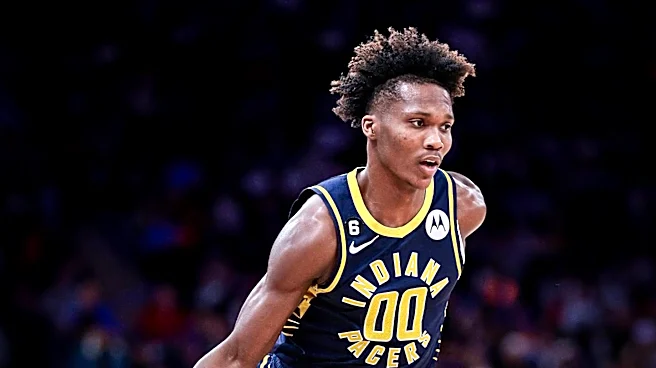
The Indiana Pacers are exploring options to fill their remaining roster spot, with a focus on bringing back former players. This comes after the team waived Ethan Thompson and signed Braden Smith to a two-way
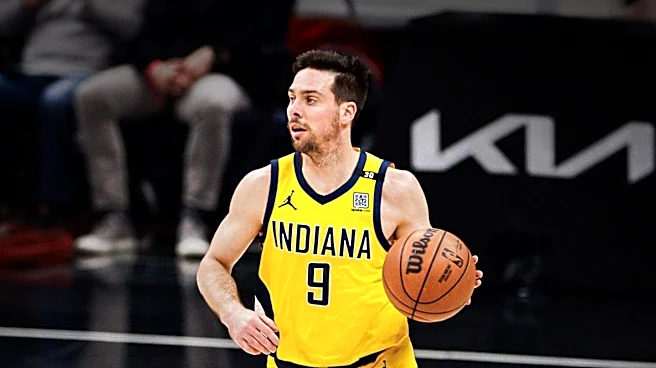
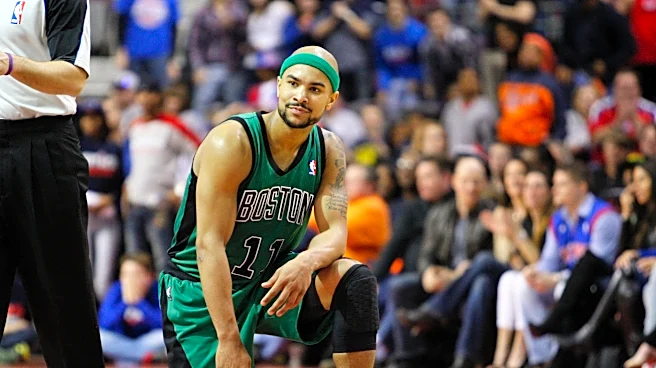
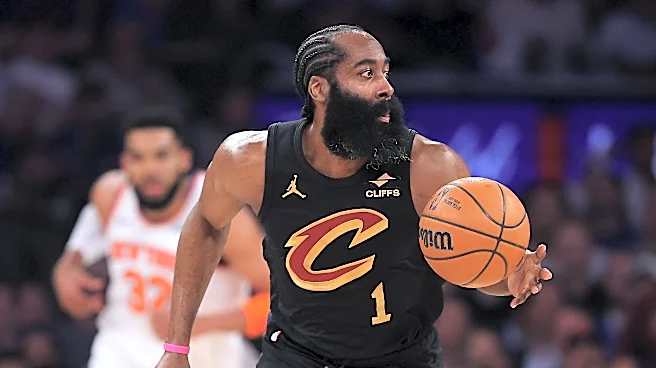
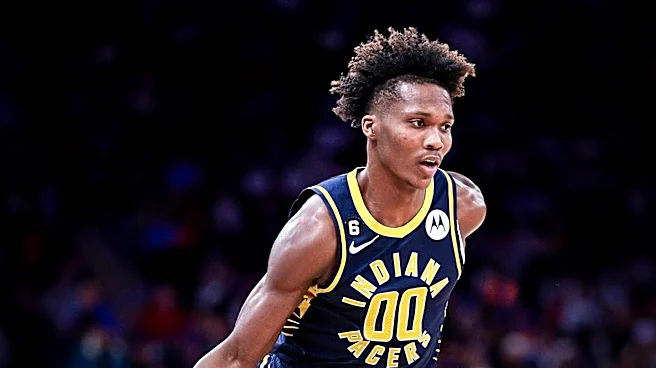
deal, leaving one open position on their 15-man roster. The Pacers are looking at players currently on the open market who could be signed to veteran's minimum contracts, potentially around mid-November. This strategy allows teams to pay only a partial amount of the veteran's minimum salary, with the league covering the remainder, making it a cost-effective way to add experienced talent. The team has a full rotation, so any new addition would primarily serve as a depth piece. Among the former Pacers being considered are Tony Bradley, James Johnson, and Victor Oladipo. Tony Bradley, a sturdy big man with a high basketball IQ, is valued for his interior presence and defensive skills. James Johnson, known for his leadership and enforcer role, is a beloved figure in the locker room and a close friend of Tyrese Haliburton. Victor Oladipo, a former All-Star, is looking to return to the NBA and could provide three-point shooting and isolation scoring, despite the team being deep at his position.
Why It's Important?
The Indiana Pacers' approach to filling their final roster spot by considering former players on veteran's minimum contracts highlights a strategic move to enhance team depth and chemistry while managing salary cap space. This method, where the league subsidizes a portion of veteran minimum salaries, is crucial for teams aiming to add experienced talent without significantly impacting their financial flexibility. For the Pacers, bringing back familiar faces like Tony Bradley, James Johnson, or Victor Oladipo could offer immediate integration into the team's system and culture, minimizing the adjustment period typically associated with new signings. James Johnson's potential return, in particular, underscores the value of locker room leadership and camaraderie, which can be vital for team cohesion and performance, especially in high-pressure situations. Victor Oladipo's possible comeback, despite his injury history, represents a low-risk, high-reward scenario, as his past All-Star caliber play could provide a significant offensive boost if he regains form. This strategy allows the Pacers to maintain competitiveness in the Eastern Conference by leveraging established relationships and proven, albeit potentially older, talent.
What's Next?
The Indiana Pacers will likely wait until around mid-November to finalize their decision on the open roster spot, as this timing allows for veteran's minimum contracts to be pro-rated, reducing the financial impact on the team. The team will continue to evaluate players on the open market, with a particular focus on former Pacers who could seamlessly integrate into the existing roster. Discussions with players like Tony Bradley, James Johnson, and Victor Oladipo are expected to continue, assessing their current form, fit, and willingness to accept a depth role. The decision will also hinge on the specific needs identified by coach Rick Carlisle and the front office as the season progresses. The Pacers' management will weigh the benefits of adding a known quantity with established team chemistry against exploring other available talent. The ultimate goal is to strengthen the team's depth for a sustained competitive run in the Eastern Conference, potentially leading to an extension of key players like Tyrese Haliburton and Pascal Siakam in the future.
Beyond the Headlines
The Pacers' strategy of targeting former players for a veteran's minimum spot reflects a broader trend in the NBA where teams prioritize cultural fit and established relationships alongside on-court talent. This approach can foster a strong team identity and loyalty, which are intangible assets that often contribute to long-term success. The league's rule regarding veteran's minimum contracts, where a portion is paid by the league, is a significant mechanism designed to extend the careers of experienced players and prevent teams from solely focusing on younger, cheaper talent. This policy not only benefits veteran players by providing continued employment but also allows teams to acquire valuable mentorship and leadership for their younger rosters at a reduced cost. The emotional connection fans have with returning players, such as Lance Stephenson, even if purely for entertainment, also highlights the cultural impact of these decisions beyond mere statistics. This blend of strategic financial management, cultural integration, and fan engagement underscores the multifaceted considerations in modern NBA team building.