





What's Happening?
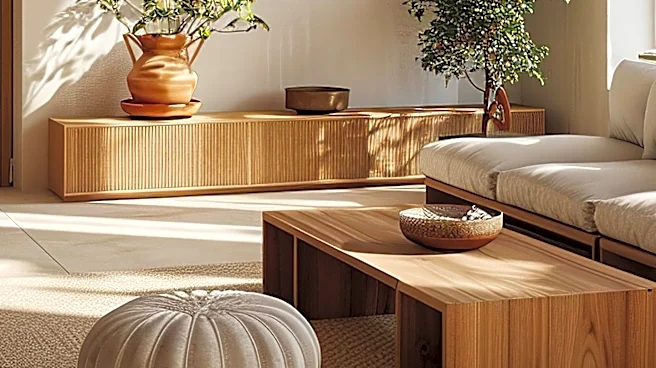
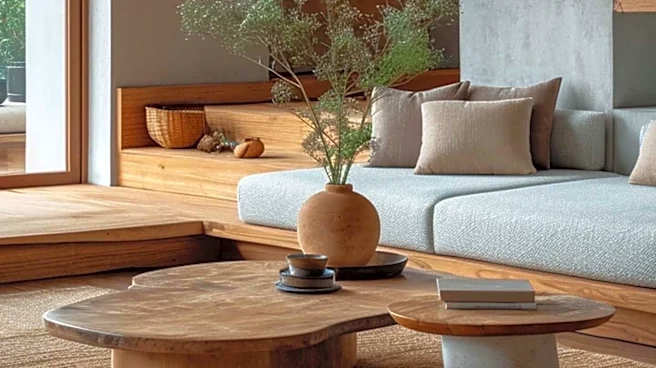
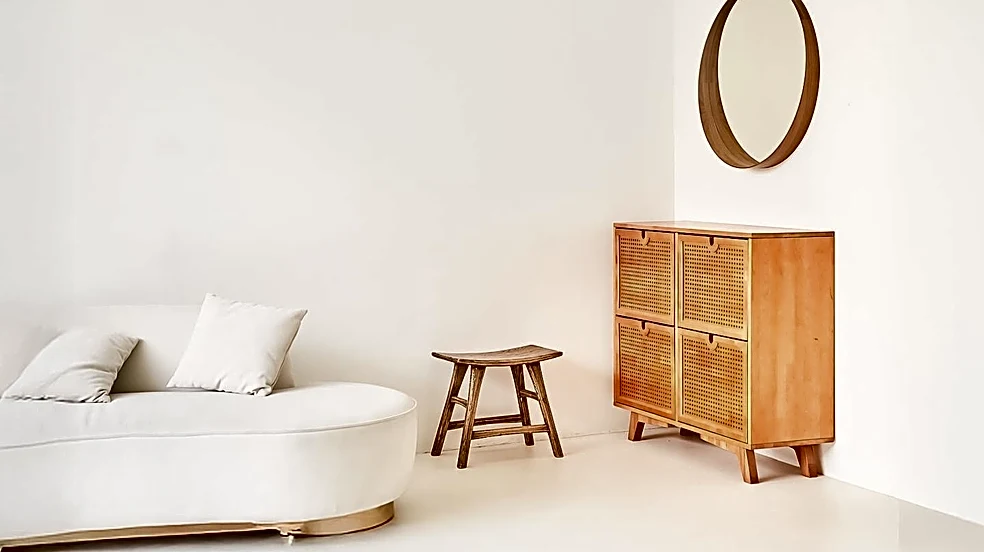
Interior designer Tina Ramchandani has articulated her design philosophy as 'Soulful Minimalism,' a concept that moves beyond mere aesthetics to focus on the feeling a home evokes. Ramchandani emphasizes intentionality, ensuring every element in a room
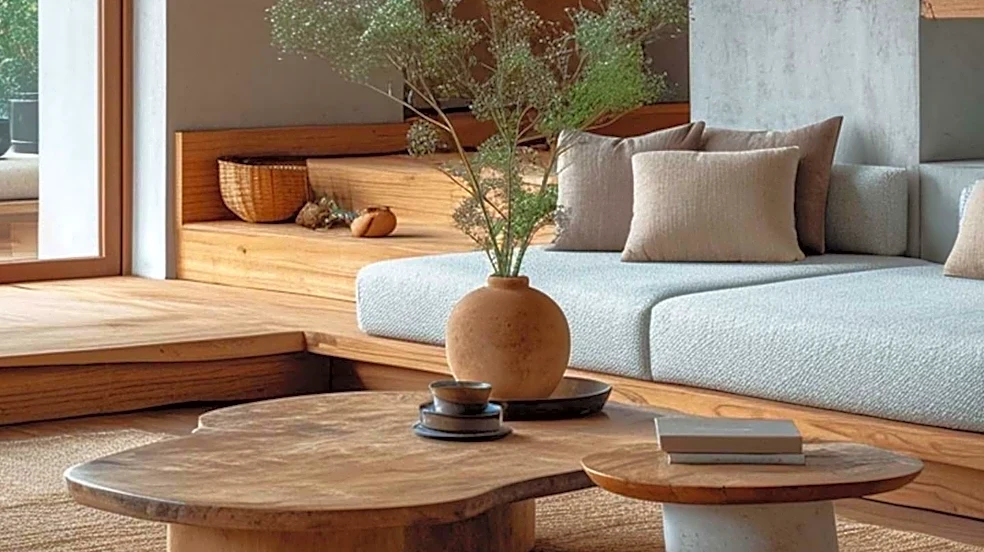
serves a purpose and contributes to a sense of balance and breathability. Her approach involves layering and editing, allowing art and furniture sufficient space to be appreciated without overwhelming the senses. The 'soulful' aspect of her design integrates the homeowner's personality, reflecting their collections, travels, and daily life within the minimalist framework. This means creating spaces that are comfortable, warm, and lived-in, rather than sterile or impersonal, by making choices that genuinely reflect the inhabitants.
Why It's Important?
Ramchandani's 'Soulful Minimalism' offers a significant perspective in the U.S. interior design industry, which often grapples with balancing aesthetic trends and personal comfort. This approach challenges the notion that minimalism must be stark or uninviting, instead advocating for a human-centered design that prioritizes emotional connection and functionality. For consumers, it provides a framework for creating homes that are both stylish and deeply personal, potentially reducing the stress associated with maintaining overly ornate or impractical spaces. For designers, it highlights the importance of understanding clients' lifestyles and narratives, fostering a more collaborative and empathetic design process. This philosophy could influence broader trends in home decor, encouraging a move towards more sustainable, meaningful, and less disposable design choices, ultimately impacting manufacturers and retailers to offer products that align with these values.
What's Next?
The concept of 'Soulful Minimalism' is likely to gain traction within the U.S. design community and among homeowners seeking more meaningful living spaces. This could lead to increased demand for designers who specialize in personalized, intentional aesthetics. We might see a rise in furniture and decor lines that prioritize craftsmanship, natural materials, and versatile functionality, moving away from mass-produced, trend-driven items. Design publications and media outlets may feature more homes that embody this blend of minimalism and personal expression, further popularizing the style. Educational programs in interior design might also incorporate principles of 'soulful' or human-centric design, emphasizing the psychological and emotional impact of living environments. Ultimately, this approach could contribute to a broader cultural shift towards valuing authenticity and well-being in domestic spaces.
Beyond the Headlines
The deeper implication of 'Soulful Minimalism' lies in its potential to redefine the relationship between individuals and their living environments in the U.S. It suggests that a home is not merely a collection of objects but a reflection of one's identity and a sanctuary for well-being. This perspective can foster a more conscious consumer culture, where purchasing decisions are driven by purpose and personal connection rather than fleeting trends or external pressures. It also subtly critiques the fast-paced, disposable nature of modern consumption, advocating for longevity and emotional value in possessions. By encouraging individuals to curate their spaces with intention and personal narrative, 'Soulful Minimalism' can empower them to create environments that genuinely support their lives, fostering a sense of peace and authenticity in an increasingly complex world.