



What's Happening?
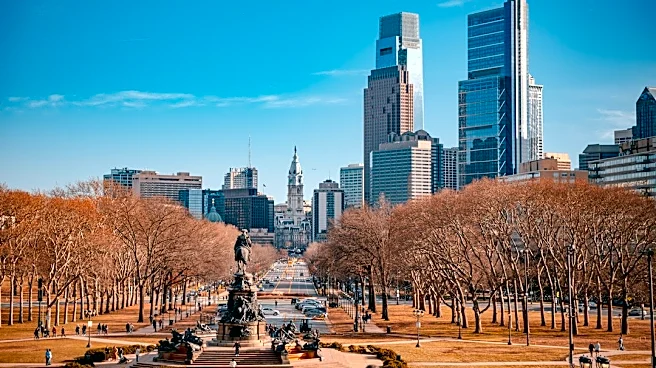
Philadelphia city officials are inviting businesses, residents, and visitors to provide input on the future of outdoor dining by testing two Streetery prototypes at Love Park. These prototypes will remain available for public use until Thanksgiving, allowing
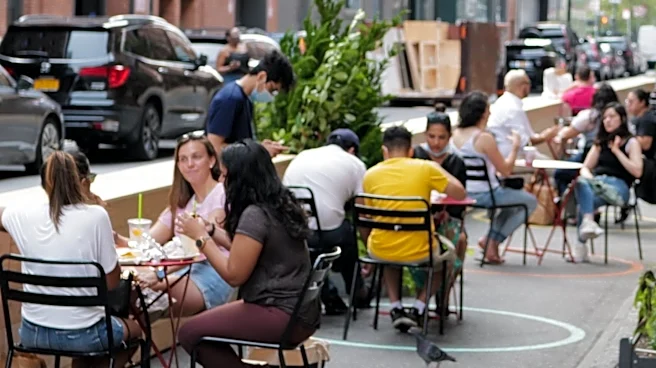
individuals to evaluate their safety, comfort, and design. The city commissioned local architects to develop these streamlined outdoor dining setups, which are a refined version of the concepts that became prevalent during the COVID-19 pandemic. According to Josh Otto of Otto Architects, unlike the pandemic era, current regulations require outdoor dining setups to be connected to the restaurant, eliminating independent electric and heating systems. After the trial period concludes, restaurants will have the option to download the plans for these designs and seek approval to construct them, provided their street can accommodate the structure. While restaurants can still submit their own custom Streetery plans, opting for one of the city's pre-approved prototypes could significantly simplify the approval process, potentially leading to pre-approval after a site visit to confirm fit.
Why It's Important?
This initiative is significant for Philadelphia's hospitality industry and urban planning. By offering standardized, pre-approved Streetery designs, the city aims to streamline the permitting process for restaurants, potentially reducing administrative burdens and costs associated with custom designs. This could encourage more establishments to offer outdoor dining, enhancing the city's vibrant street life and supporting local businesses that benefited from expanded outdoor seating during the pandemic. The public feedback mechanism ensures that future outdoor dining infrastructure is practical, safe, and aesthetically pleasing to both patrons and residents. The move also reflects a broader trend in urban centers to adapt public spaces for commercial use, balancing business needs with public accessibility and urban design principles. The cost of these prototypes, estimated between $20,000 and $40,000, along with the annual city permit, will be a factor for businesses to consider, potentially favoring larger establishments or those with higher profit margins.
What's Next?
Following the Thanksgiving trial period, Philadelphia officials will collect and analyze the public feedback gathered through QR codes at Love Park, which allow users to comment on safety, comfort, and design preferences. This feedback will be crucial in determining which, if any, of the prototype designs will be officially endorsed or modified for wider adoption. Restaurants will then be able to access the finalized plans and apply for permits to install these structures. The city will likely establish clear guidelines and a simplified approval process for the chosen designs. The success of this program could lead to a more uniform and aesthetically integrated outdoor dining landscape across Philadelphia, potentially influencing other cities considering similar initiatives. The city will also need to address ongoing operational aspects, such as maintenance, accessibility, and the impact on pedestrian flow and parking.
Beyond the Headlines
The city's approach to standardizing outdoor dining structures touches upon broader themes of urban resilience and adaptation in a post-pandemic world. The initial proliferation of diverse outdoor dining setups during COVID-19 highlighted both the ingenuity of businesses and the need for more cohesive urban design. By investing in architect-designed prototypes, Philadelphia is attempting to professionalize and integrate these temporary solutions into the permanent urban fabric. This initiative also raises questions about the balance between commercial use of public space and the public's right to access and enjoy these areas. The designs' ADA compliance is a critical consideration, ensuring inclusivity. Furthermore, the cost of these structures and annual permits could create an economic barrier for smaller, independent restaurants, potentially leading to a less diverse outdoor dining scene if not carefully managed. The long-term success will depend on continuous evaluation and flexibility to adapt to evolving urban needs and business demands.