

What's Happening?
Social media platforms like Tumblr, Pinterest, Instagram, and TikTok have fundamentally reshaped the fashion industry over the past two decades. Initially, fashion inspiration came from designer runways, celebrities, and magazines. However, with the advent
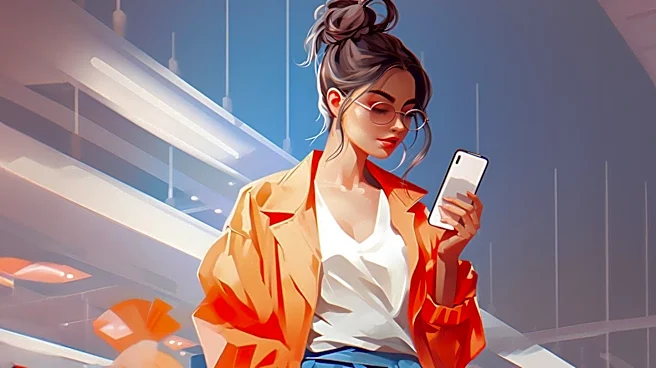
of social media, influence has shifted to creators, communities, and algorithms. Tumblr fostered personal style into shared aesthetic identities, while Instagram transformed personal style into personal branding and influencer culture, making influencers as significant as celebrities in driving trends. TikTok has further accelerated this trend cycle, leading to the rapid rise and fall of 'microtrends' and 'cores.' The platform's algorithm, which pushes videos to wider audiences based on engagement rather than follower count, allows smaller creators to go viral and quickly establish new trends. This has resulted in a 'see now, buy now' mentality among consumers, driven by frictionless shopping experiences within social media apps.
Why It's Important?
This shift in fashion influence has profound implications for both consumers and the industry. For consumers, social media offers unprecedented access to diverse styles and communities, enabling self-expression and experimentation. However, it also creates a pressure to constantly keep up with rapidly changing microtrends, potentially leading to impulsive purchases and a sense of 'pigeonholing' into specific aesthetic labels. For the fashion industry, the accelerated trend cycle means brands must adapt quickly to consumer demands, with influencer looks often having more immediate impact on retail sales than traditional runway collections. This dynamic also raises concerns about sustainability, as the rapid turnover of trends encourages fast fashion consumption, contributing to environmental issues like increased textile waste. The power of social media algorithms in dictating what is 'fashionable' challenges traditional gatekeepers and democratizes trend-setting, but also creates a more volatile and unpredictable market.
What's Next?
The future of fashion in the age of social media is uncertain, with questions arising about whether the industry will revert to slower fashion cycles or continue with the rapid pace of microtrends. There's a growing sentiment that consumers may be tiring of the constant need to keep up with fleeting aesthetics, potentially leading to a lean towards more individualistic and timeless personal styles. The role of artificial intelligence (AI) is also anticipated to further rewrite the rules of fashion, potentially influencing design, trend forecasting, and personalized shopping experiences. As social media platforms continue to evolve, their algorithms and user engagement features will likely remain central to how fashion trends emerge, spread, and impact consumer choices, necessitating continuous adaptation from brands and a more mindful approach to consumption from individuals.
Beyond the Headlines
The pervasive influence of social media on fashion extends beyond mere trends, touching upon deeper cultural and ethical dimensions. The 'see now, buy now' mentality fostered by social media's frictionless shopping can lead to increased consumer debt and a disposable attitude towards clothing. Ethically, the rapid production cycles required to meet microtrend demands often rely on unsustainable labor practices and environmental exploitation. Culturally, while social media offers platforms for diverse self-expression, it also risks homogenizing styles within specific 'aesthetics,' potentially stifling genuine creativity in favor of algorithmic validation. The constant influx of 'inspo' can transform personal style from an act of self-discovery into a performance for an imagined audience, where adherence to aesthetic guidelines overshadows individual enjoyment. Addressing these deeper implications requires a critical examination of consumption habits and a push for greater transparency and sustainability within the fashion industry.