
What's Happening?
Predictive maintenance is revolutionizing manufacturing by shifting from reactive or time-based maintenance to a data-driven approach. Instead of repairing equipment after it fails or servicing it at fixed
intervals, predictive maintenance utilizes operating data and condition information to identify early signs of potential equipment issues. This allows maintenance teams to proactively address problems before they lead to unexpected breakdowns. Modern industrial machinery is equipped with sensors that monitor various parameters such as temperature, vibration, pressure, and energy consumption. Artificial intelligence (AI) systems continuously process this data to detect subtle changes in machine behavior that human observation might miss. For instance, a slight increase in temperature combined with a change in vibration could signal an impending issue. This proactive identification enables manufacturers to schedule maintenance during planned production pauses, such as shift changes, effectively converting unplanned downtime into managed, scheduled interventions. The goal is not to eliminate all breakdowns, as machines will always require servicing, but to establish a system that can identify risks earlier and respond with informed decisions.
Why It's Important?
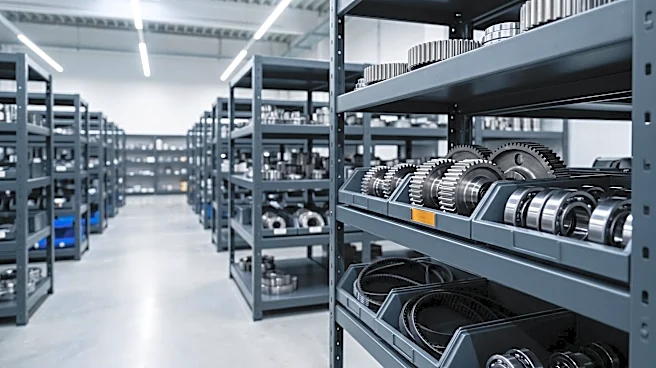
The shift to predictive maintenance holds significant importance for U.S. industries, particularly in manufacturing, by enhancing operational efficiency and reducing substantial financial losses associated with unexpected downtime. Unplanned equipment failures can halt production, delay supplies, idle workers, and incur significant costs far beyond the repair itself. By enabling manufacturers to anticipate and schedule maintenance, predictive maintenance minimizes these disruptions, ensuring smoother production flows and adherence to delivery schedules. This approach also optimizes resource allocation, as maintenance teams can plan for necessary spare parts and specialized labor in advance, avoiding last-minute procurement challenges and ensuring the right resources are available when needed. Furthermore, the integration of AI and data analytics in maintenance strategies fosters a broader manufacturing intelligence, where insights from machine data are combined with information on production, inventory, and quality systems. This holistic view allows for better decision-making across the entire production ecosystem, leading to improved product quality, reduced energy consumption, and overall operational excellence. Companies that adopt predictive maintenance gain a competitive edge by increasing equipment reliability and reducing operational costs.
What's Next?
The future of predictive maintenance involves further integration with advanced technologies like digital twins, which create virtual models of physical equipment. These digital twins can simulate how machines will perform under various conditions, allowing maintenance and engineering teams to identify potential problems before they manifest in the real world. Manufacturers are expected to continue refining their predictive maintenance strategies by focusing on critical assets first, ensuring data quality, and designing effective alert systems that prompt timely action. The emphasis will be on augmenting human expertise with AI, rather than replacing it, ensuring that technicians receive actionable insights rather than just notifications. As the technology matures, there will be a greater focus on connecting predictive maintenance with wider factory operations, allowing insights from machine health to influence production schedules, quality control, and energy management. The ongoing challenge will be to ensure that the data collected is reliable and that the insights generated by AI models are translated into concrete, well-coordinated maintenance actions across all relevant departments, including procurement and supply chain.
Beyond the Headlines
Beyond the immediate benefits of reduced downtime and cost savings, predictive maintenance signifies a fundamental transformation in how industries perceive and manage their assets. It moves maintenance from a cost center to a strategic function that drives overall business intelligence and resilience. This paradigm shift encourages a culture of proactive problem-solving and continuous improvement, where data-driven insights inform every aspect of operations. The ethical implications revolve around data privacy and security, as vast amounts of operational data are collected and analyzed. Legal frameworks may need to evolve to address data ownership and accountability in AI-driven maintenance decisions. Culturally, it necessitates a workforce that is skilled in data analysis and comfortable collaborating with AI systems, fostering a blend of traditional engineering expertise with modern technological proficiency. In the long term, widespread adoption of predictive maintenance could lead to more sustainable manufacturing practices by extending equipment lifespan, reducing waste from premature replacements, and optimizing energy usage, thereby contributing to broader environmental goals.