



What's Happening?
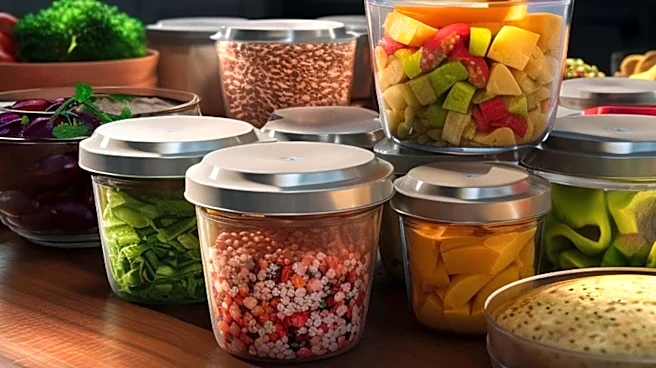
Meal preparation, a method of preparing ingredients or entire dishes in advance, is gaining traction as a practical approach to maintaining a healthy diet. This strategy is particularly beneficial for seniors, as highlighted by VIPcare's guide on meal
planning, which emphasizes its role in ensuring balanced and nutritious meals throughout the week. Techniques include batch cooking, utilizing sheet pan meals, and pre-chopping ingredients to minimize daily cooking efforts. For those seeking culinary inspiration, Jar Of Lemons provides a diverse range of healthy meal prep recipes, from spicy grilled shrimp to vegan black bean quinoa bowls. Clean Eatz Kitchen offers a straightforward meal plan focusing on clean, real ingredients, catering to individuals with dietary restrictions or those who prefer customized meals. High-protein options, such as Thai peanut chicken meal prep bowls, are also popular, combining tender chicken, noodles, and a creamy peanut sauce for a satisfying and repeatable meal.
Why It's Important?
The increasing adoption of meal prep strategies holds significant importance for public health and individual well-being in the U.S. By simplifying the process of preparing healthy meals, it addresses common barriers to nutritious eating, such as lack of time and culinary skills. For seniors, this approach can improve dietary adherence, manage chronic conditions, and enhance overall quality of life by reducing the physical demands of daily cooking. For busy professionals and families, meal prep offers a practical solution to avoid reliance on less healthy convenience foods or takeout, potentially leading to better health outcomes and cost savings. The availability of diverse recipes and specialized meal plans from various providers indicates a growing market for meal prep solutions, reflecting a broader societal shift towards proactive health management and efficient lifestyle choices. This trend can also support local food economies by encouraging planned grocery shopping and ingredient utilization.
What's Next?
The meal prep trend is likely to continue evolving with increased innovation in recipes, specialized meal kits, and technology-driven planning tools. We can anticipate a greater focus on personalized meal plans that cater to specific dietary needs, such as gluten-free, keto, or plant-based diets, further expanding the accessibility of healthy eating. The integration of smart kitchen appliances and AI-powered meal planning apps could streamline the process even further, making meal prep more efficient and less time-consuming. Additionally, as awareness of the health and financial benefits grows, more healthcare providers and wellness programs may incorporate meal prep education and resources into their offerings, particularly for vulnerable populations like seniors. This could lead to a more widespread adoption of meal prep as a standard practice for maintaining a healthy lifestyle across various demographics.
Beyond the Headlines
Beyond its immediate benefits, the rise of meal prep reflects deeper societal shifts towards efficiency, health consciousness, and a desire for greater control over personal well-being. It challenges the traditional model of daily cooking, promoting a more structured and intentional approach to food consumption. This movement also has environmental implications, as planned meal preparation can reduce food waste by encouraging precise ingredient purchasing and utilization. Furthermore, the emphasis on 'clean' and 'real' ingredients, as highlighted by Clean Eatz Kitchen, signifies a growing consumer demand for transparency in food sourcing and a rejection of highly processed foods. This cultural shift could influence food manufacturers and retailers to offer more meal-prep-friendly products and services, fostering a more health-oriented food ecosystem. The convenience offered by meal prep also frees up time, allowing individuals to pursue other activities, thereby contributing to a more balanced and fulfilling lifestyle.